
5-Formyl-THF (5-Formyltetrahydrofolate), commonly known as folinic acid, is an important active form of folate that plays a central role in DNA repair, nucleotide synthesis, and cellular recovery. Unlike synthetic folic acid, folinic acid does not require activation by the MTHFR enzyme, making it a more efficient and readily usable folate source for supporting one-carbon metabolism.
Within the folate cycle, 5-Formyl-THF serves as a reserve and interconversion form, helping stabilize the folate pool and ensuring that the body can produce other key folate derivatives—such as 5-MTHF for methylation and 10-Formyl-THF for purine synthesis—when needed. Because of its direct involvement in DNA synthesis and repair, this biomarker is relevant for immune function, red blood cell production, reproductive health, neurological stability, and healthy cell turnover.
Levels of 5-Formyl-THF can be influenced by dietary folate intake, absorption efficiency, inflammation, oxidative stress, liver function, and genetic variations affecting enzymes in the folate cycle. Low levels may compromise DNA repair, slow cellular recovery, and reduce metabolic resilience. Elevated levels may reflect high folate intake or imbalances in the processing of other folate derivatives.
Interpreting this marker alongside 5-MTHF, 10-Formyl-THF, THF, Active Folate (RBC), and key methylation markers (SAM, SAH, the SAM/SAH ratio) provides a comprehensive picture of folate-cycle health and helps guide personalized nutritional and metabolic support.
 5-Formyl-THF (Folinic Acid)
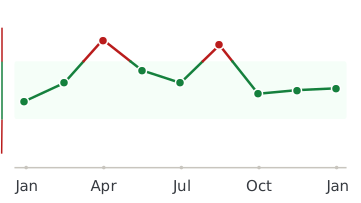
Every lab result you’ve ever had, charted and explained.
Healthmatters is a tracker for your lab results. Upload a report from any lab, any country — every marker charted and explained.
Start with my report →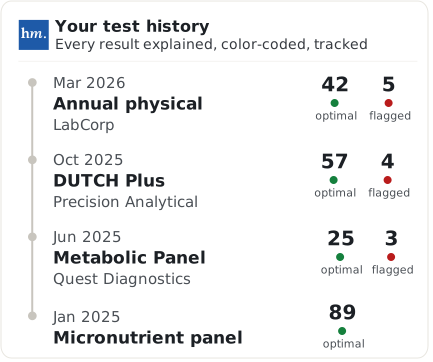
All our content is backed by peer-reviewed studies, academic research, and trusted medical sources. We’re committed to accuracy and transparency — see our editorial policy for details.