
Benzoylform

Optimal result: 0 – 3.6 nmol/mg Creatinine

Benzoylform is also known as Phenylglyoxylic Acid and a marker for Styrene exposure. Styrene is a chemical used to make latex, synthetic rubber, and polystyrene resins. These resins are used to make plastic packaging, disposable cups and containers, insulation, and other products. Styrene is also produced naturally in some plants.

→ Benzoylformate has been associated with metabolism of adrenaline and noradrenaline, and phenylketonuria.

→ In a review of 2005–2006 and 2011–2012 NHANES data (N=4690), smokers had 2-fold and 1.6-fold higher levels.

→ Eating more vegetables and fruit was associated with decreased levels.

Benzoylform is also known as Phenylglyoxylic Acid and a marker for Styrene exposure. Styrene is a chemical used to make latex, synthetic rubber, and polystyrene resins. These resins are used to make plastic packaging, disposable cups and containers, insulation, and other products. Styrene is also produced naturally in some plants.
Breathing high levels of styrene may cause changes in color vision, tiredness, feeling drunk, slowed reaction time, concentration problems, or balance problems. Hearing loss has been observed in animals exposed to very high concentrations of styrene.

Styrene used in insulation, fiberglass, plastic pipes, automobile parts, shoes, drinking cups and other food containers, and carpet backing.

Some examples of workers at risk of being exposed to styrene include the following:

  • Workers in the reinforced plastics industry
  • Workers involved in styrene polymerization
  • Factory workers in rubber manufacturing
  • Workers in industries that use styrene polyester resin
  • Employees of photocopy centers

→ Benzoylformate has been associated with metabolism of adrenaline and noradrenaline, and phenylketonuria.

→ In a review of 2005–2006 and 2011–2012 NHANES data (N=4690), smokers had 2-fold and 1.6-fold higher levels.

→ Eating more vegetables and fruit was associated with decreased levels.

Benzoylform is also known as Phenylglyoxylic Acid and a marker for Styrene exposure. Styrene is a chemical used to make latex, synthetic rubber, and polystyrene resins. These resins are used to make plastic packaging, disposable cups and containers, insulation, and other products. Styrene is also produced naturally in some plants.

Breathing high levels of styrene may cause changes in color vision, tiredness, feeling drunk, slowed reaction time, concentration problems, or balance problems. Hearing loss has been observed in animals exposed to very high concentrations of styrene.

Styrene used in insulation, fiberglass, plastic pipes, automobile parts, shoes, drinking cups and other food containers, and carpet backing.

Some examples of workers at risk of being exposed to styrene include the following:

  • Workers in the reinforced plastics industry
  • Workers involved in styrene polymerization
  • Factory workers in rubber manufacturing
  • Workers in industries that use styrene polyester resin
  • Employees of photocopy centers

→ Benzoylformate has been associated with metabolism of adrenaline and noradrenaline, and phenylketonuria.

→ In a review of 2005–2006 and 2011–2012 NHANES data (N=4690), smokers had 2-fold and 1.6-fold higher levels.

→ Eating more vegetables and fruit was associated with decreased levels.

Benzoylform
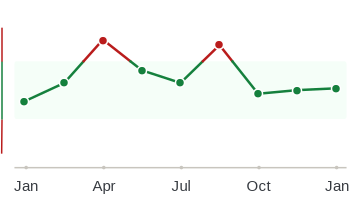
Healthmatters dashboard showing biomarker trend graph

Every lab result you’ve ever had, charted and explained.

Healthmatters is a tracker for your lab results. Upload a report from any lab, any country — every marker charted and explained.

Start with my report →
Beyond Benzoylform — 10,000+ markers explained
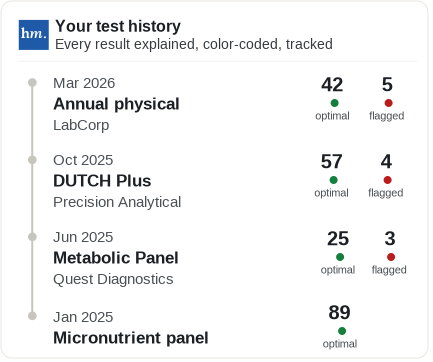
One Benzoylform result tells you where you are. Your history tells you where you’re heading. Upload your past lab reports and see this marker — and every marker on them —every marker charted against your own lab’s ranges.
Start with this report →
Healthmatters timeline preview showing biomarker trends over time
Clinical Sources & References

All our content is backed by peer-reviewed studies, academic research, and trusted medical sources. We’re committed to accuracy and transparency — see our editorial policy for details.

Article Review Log
Written by Healthmatters Editorial Team
Healthmatters Lifetime Plan

Pay $250. Track your health forever

One payment. No renewals. Yours for life.

10,000+ biomarkers explained · trends over time

See other plans →
Secure checkout via Stripe · GDPR & HIPAA
We accept results from any lab
LabCorp Quest Diagnostics Genova Diagnostics DUTCH Test Doctor's Data Vibrant America ZRT Laboratory Cyrex Labs + any other lab

What members are saying

★★★★★ 10,000+ happy members
★★★★★

"Watching my numbers move over the years — instead of forgetting last time's results — completely changed how I manage my health."

Daniel
Member since 2022
★★★★★

"Living across several countries made keeping my lab results organized a real challenge. Healthmatters brought my results from the USA, Spain, and Germany together — 20 years of history, with long-term trends instead of scattered reports."

Ben
Member since 2021 · tracks across countries
★★★★★

"Standard lab ranges are too wide for how I practice — 'normal' isn't optimal. I set my own bands, so a client sees yellow before a marker goes officially out of range. That's the conversation I want to be having."

Dr. Alexandra
Functional medicine · 6 yrs on Pro