
C. difficile, Toxin B

Optimal result: 0 – 999 Units

Clinical Implications:

- Symptoms include inflammation, abdominal pain, cramping, fever, and diarrhea

- Symptoms often present during antibiotic use and often subside once antibiotics are discontinued

- Gastrointestinal (GI) infection can cause reactive arthritis

Therapeutic Approaches & Considerations:

- See calprotectin and secretory IgA (SIgA) levels to determine GI inflammation and immune response.

- Consider Saccharomyces boulardii, high dose probiotics, broadspectrum antimicrobial herbs, and 5R Protocol (Read: "What is the 5R Protocol?")

- Mild infections can be treated with metronidazole (=an antibiotic that is used to treat bacterial infections)

- Heavy infections can be treated with vancomycin and fidaxomicin

- Asymptomatic people may not need treatment

- In asymptomatic people with positive toxins A and/or B, the genes are likely not “turned on,” and thus not causing disease. It is still prudent to avoid antibiotics to prevent CDAD (=Clostridium difficile associated diarrhea). Consider antimicrobial herbal formulas, which can suppress C. diff without activating toxin production.

- Additional testing for toxins A and B may be warranted

C. difficile is an opportunistic anaerobic bacterium which causes symptoms ranging from mild diarrhea to pseudomembranous colitis when the normal flora has been altered (as in antibiotic use).

C. difficile produces two toxins:

- Toxin A is a tissuedamaging enterotoxin,

- while toxin B is referred to as a cytotoxin.

Clostridioides difficile is a bacterium that causes an infection of the large intestine. Symptoms can range from diarrhea to life-threatening damage to the colon.

The bacterium is often referred to as C. difficile or C. diff.

Illness from C. difficile typically occurs after use of antibiotic medications. It most commonly affects older adults in hospitals or in long-term care facilities. 

What are Toxin A and B?

The GI-MAP tests for the genes toxin A and toxin B, which are carried by C. difficile.

Clostridium difficile toxin A (TcdA) is a toxin generated by Clostridium difficile. It is similar to Clostridium difficile Toxin B. The toxins are the main virulence factors produced by the gram positive, anaerobic, Clostridium difficile bacteria.

How do the toxins function?

The toxins function by damaging the intestinal mucosa and cause the symptoms of C. difficile infection, including pseudomembranous colitis.

What are risk factors?

Risk factors for C. difficile infection include antibiotic treatment, which can disrupt normal intestinal microbiota and lead to colonization of C. difficile bacteria.

Epidemiology:

- 2–10% of population are carriers, most are asymptomatic

- Prolonged use of antibiotics may be causative factor

C. difficile, Toxin B
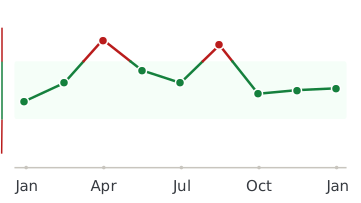
Healthmatters dashboard showing biomarker trend graph

Every lab result you’ve ever had, charted and explained.

Healthmatters is a tracker for your lab results. Upload a report from any lab, any country — every marker charted and explained.

Start with my report →
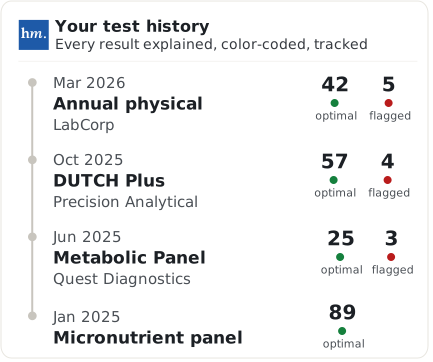
Beyond C. difficile, Toxin B — 10,000+ markers explained
One C. difficile, Toxin B result tells you where you are. Your history tells you where you’re heading. Upload your past lab reports and see this marker — and every marker on them —every marker charted against your own lab’s ranges.
Start with this report →
Healthmatters timeline preview showing biomarker trends over time
Clinical Sources & References

All our content is backed by peer-reviewed studies, academic research, and trusted medical sources. We’re committed to accuracy and transparency — see our editorial policy for details.

Article Review Log
Written by Healthmatters Editorial Team
Healthmatters Lifetime Plan

Pay $250. Track your health forever

One payment. No renewals. Yours for life.

10,000+ biomarkers explained · trends over time

See other plans →
Secure checkout via Stripe · GDPR & HIPAA
We accept results from any lab
LabCorp Quest Diagnostics Genova Diagnostics DUTCH Test Doctor's Data Vibrant America ZRT Laboratory Cyrex Labs + any other lab

What members are saying

★★★★★ 10,000+ happy members
★★★★★

"Watching my numbers move over the years — instead of forgetting last time's results — completely changed how I manage my health."

Daniel
Member since 2022
★★★★★

"Living across several countries made keeping my lab results organized a real challenge. Healthmatters brought my results from the USA, Spain, and Germany together — 20 years of history, with long-term trends instead of scattered reports."

Ben
Member since 2021 · tracks across countries
★★★★★

"Standard lab ranges are too wide for how I practice — 'normal' isn't optimal. I set my own bands, so a client sees yellow before a marker goes officially out of range. That's the conversation I want to be having."

Dr. Alexandra
Functional medicine · 6 yrs on Pro