
CaM Kinase II (CaMKII), % of Baseline

Other names: Ca/Calmodulin Protein Kinase II (% of baseline), Calcium/calmodulin-dependent protein kinase II (CaMKII) Cell-Stimulation Assay

Optimal result: 53 – 130 % of Baseline

A high CaMKII activation level indicates increased stimulation of neuronal signaling pathways by the patient’s serum. This suggests immune-mediated effects on brain-cell receptors or cell-surface molecules. Elevated CaMKII activity may be associated with neuropsychiatric symptoms such as OCD behaviors, tics, emotional instability, impulsivity, anxiety, motor abnormalities, or cognitive changes.
This finding is most meaningful when combined with elevated neuronal autoantibodies in the Autoimmune Brain Panel™ and a clinical history consistent with neuro-immune activation.

A low or normal CaMKII level indicates no significant activation of the CaMKII pathway by the patient’s serum. This suggests there is no current functional effect of autoantibodies on neuronal signaling through this mechanism.
However, neuro-immune issues may still be present through other pathways, so CaMKII should always be interpreted alongside the full panel and clinical symptoms.

CaM Kinase II (CaMKII) is an enzyme inside brain cells that plays a major role in neuronal signaling, learning, memory, and neurotransmitter regulation. This test measures how strongly a patient’s serum activates CaMKII compared to a baseline. Elevated activation may indicate immune-mediated effects on neuronal function, as seen in conditions such as PANS, PANDAS, Sydenham chorea, and other neuro-immune disorders.

CaM Kinase II (CaMKII) is a critical enzyme involved in many essential brain functions, including neurotransmitter release, receptor activity, synaptic plasticity, learning, and memory. In the context of neuro-immune conditions, CaMKII serves as a functional marker that reflects how autoantibodies interact with neuronal cells.

This test measures the percentage increase in CaMKII activity when neuronal cells are exposed to a patient’s serum and compares it to a baseline reference. If autoantibodies in the blood bind to neuronal receptors or cell-surface molecules—such as dopamine receptors, tubulin, or lysogangliosides—they may stimulate or dysregulate CaMKII activity. Increased CaMKII activation suggests the immune system may be influencing intracellular signaling pathways that regulate mood, behavior, motor function, and cognition.

Elevated CaMKII activation has been observed in individuals with PANS (Pediatric Acute-Onset Neuropsychiatric Syndrome), PANDAS, Sydenham chorea, and other post-infectious or autoimmune neurological conditions. These conditions often follow infections such as strep, mycoplasma, or viral illnesses that can trigger an immune response affecting the brain.

CaMKII is a core component of the Autoimmune Brain Panel™, where it complements the four neuronal autoantibody titers (DRD1, DRD2L, anti-tubulin, anti-lysoganglioside GM1). While CaMKII elevation alone does not diagnose any disorder, it provides functional evidence that autoantibodies may be altering neuronal signaling. Interpreting CaMKII levels together with the other markers and clinical symptoms gives a clearer understanding of possible immune-mediated contributions to sudden-onset OCD, tics, anxiety, mood changes, movement abnormalities, regression, or behavioral shifts.

CaM Kinase II (CaMKII), % of Baseline
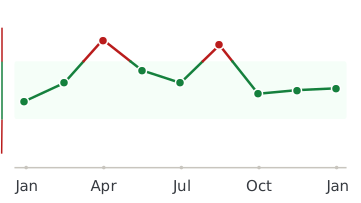
Healthmatters dashboard showing biomarker trend graph

Every lab result you’ve ever had, charted and explained.

Healthmatters is a tracker for your lab results. Upload a report from any lab, any country — every marker charted and explained.

Start with my report →
Beyond CaM Kinase II (CaMKII), % of Baseline — 10,000+ markers explained
One CaM Kinase II (CaMKII), % of Baseline result tells you where you are. Your history tells you where you’re heading. Upload your past lab reports and see this marker — and every marker on them —every marker charted against your own lab’s ranges.
Start with this report →
Healthmatters timeline preview showing biomarker trends over time
Clinical Sources & References

All our content is backed by peer-reviewed studies, academic research, and trusted medical sources. We’re committed to accuracy and transparency — see our editorial policy for details.

Article Review Log
Written by Healthmatters Editorial Team
Healthmatters Lifetime Plan

Pay $250. Track your health forever

One payment. No renewals. Yours for life.

10,000+ biomarkers explained · trends over time

See other plans →
Secure checkout via Stripe · GDPR & HIPAA
We accept results from any lab
LabCorp Quest Diagnostics Genova Diagnostics DUTCH Test Doctor's Data Vibrant America ZRT Laboratory Cyrex Labs + any other lab

What members are saying

★★★★★ 10,000+ happy members
★★★★★

"Watching my numbers move over the years — instead of forgetting last time's results — completely changed how I manage my health."

Daniel
Member since 2022
★★★★★

"Living across several countries made keeping my lab results organized a real challenge. Healthmatters brought my results from the USA, Spain, and Germany together — 20 years of history, with long-term trends instead of scattered reports."

Ben
Member since 2021 · tracks across countries
★★★★★

"Standard lab ranges are too wide for how I practice — 'normal' isn't optimal. I set my own bands, so a client sees yellow before a marker goes officially out of range. That's the conversation I want to be having."

Dr. Alexandra
Functional medicine · 6 yrs on Pro