
Candida spp.

Optimal result: 0 – 110 Units

What is Candida spp.?

Candida is a genus of yeast that naturally exists in the human body, primarily in the gastrointestinal (GI) tract, mouth, skin, and vaginal flora. While a small amount is normal and beneficial, an overgrowth can disrupt the microbiome, leading to digestive, immune, and systemic health issues.


What Do Elevated Levels of Candida spp. Mean?

Elevated Candida spp. levels on the Gut Zoomer test by Vibrant Wellness suggest an overgrowth of yeast in the gut, also known as intestinal candidiasis. This imbalance may contribute to digestive issues, systemic inflammation, and immune dysfunction.

Candida overgrowth can occur when the body’s natural defenses—such as beneficial gut bacteria and the immune system—fail to keep it in check. This can lead to gut dysbiosis, where the balance of good and harmful microbes is disrupted, promoting further yeast proliferation.

Potential Causes of Candida Overgrowth

Several factors can contribute to elevated Candida spp. levels:

  • Antibiotic Use: Broad-spectrum antibiotics kill beneficial gut bacteria, allowing Candida to overgrow.
  • High-Sugar Diet: Candida thrives on sugar and refined carbohydrates.
  • Weakened Immune System: Conditions like diabetes, autoimmune diseases, HIV, or immunosuppressive medications (e.g., corticosteroids, chemotherapy) can increase susceptibility.
  • Leaky Gut Syndrome (Intestinal Permeability): A damaged gut lining allows Candida and its byproducts to enter the bloodstream, leading to systemic symptoms.
  • Hormonal Imbalances: Estrogen dominance (e.g., from birth control pills or hormone therapy) can promote Candida growth.
  • Frequent Use of Steroids or Proton Pump Inhibitors (PPIs): Alters gut pH and microbiota balance, creating an environment favorable for yeast.
  • Chronic Stress: Weakens the immune response, making it easier for Candida to overgrow.

Symptoms of Candida Overgrowth

The symptoms of intestinal candidiasis can vary based on severity and individual susceptibility.

Gastrointestinal Symptoms:

  • Bloating and excessive gas
  • Diarrhea or constipation
  • Abdominal pain and cramps
  • Recurrent acid reflux or heartburn
  • Mucus in stool
  • Foul-smelling stool

Systemic and Neurological Symptoms:

  • Fatigue and brain fog
  • Poor concentration and memory issues
  • Chronic headaches or migraines
  • Mood swings, anxiety, and depression

Skin and Mucosal Symptoms:

  • Recurrent fungal infections (e.g., athlete’s foot, ringworm, jock itch)
  • Itchy skin or rashes (eczema, psoriasis-like symptoms)
  • Chronic sinus congestion or post-nasal drip
  • Oral thrush (white coating on tongue)
  • Vaginal yeast infections or recurrent UTIs

Metabolic and Immune Dysfunction:

  • Sugar and carbohydrate cravings
  • Sensitivities to certain foods (dairy, gluten)
  • Autoimmune flare-ups
  • Weakened immune response, leading to frequent infections

Diagnosis & Clinical Considerations

Confirming Candida Overgrowth

  • Stool Test: The Gut Zoomer test detects Candida spp. at different levels, helping identify overgrowth.
  • Urine Organic Acids Test (OAT): Elevated D-arabinitol or D-arabinitol/L-arabinitol ratio suggests systemic Candida overgrowth.
  • Blood Tests: Elevated Candida antibodies (IgG, IgA, IgM) indicate immune system exposure to Candida overgrowth.
  • Comprehensive Gut Microbiome Testing: May reveal a broader picture of dysbiosis, including the presence of opportunistic bacteria or fungal infections.

Differential Diagnosis

  • Small Intestinal Bacterial Overgrowth (SIBO): Overlapping symptoms with Candida but caused by bacterial imbalance.
  • Parasitic Infections: Some protozoa cause similar GI symptoms.
  • Autoimmune or Inflammatory Bowel Diseases (IBD/IBS): Chronic gut inflammation can mimic Candida symptoms.

Treatment & Management of Candida Overgrowth

Managing elevated Candida spp. levels requires a multi-faceted approach, including dietary, lifestyle, and medical interventions.

1. Dietary Modifications (Candida Diet)

  • Reduce Sugar and Simple Carbohydrates: Candida thrives on sugar, so eliminating processed sugars, refined carbs, and excessive alcohol is crucial.
  • Increase Fiber Intake: Supports gut motility and beneficial bacterial growth.
  • Incorporate Antifungal Foods:
    • Garlic, coconut oil (contains caprylic acid)
    • Ginger, turmeric (anti-inflammatory and antimicrobial)
    • Apple cider vinegar (supports stomach acid balance)
  • Avoid Fermented Foods Initially: Kombucha, vinegar-based foods, and aged cheeses may feed yeast overgrowth.

2. Probiotics & Gut Microbiome Support

  • Saccharomyces boulardii: A beneficial yeast that competes with Candida.
  • Lactobacillus & Bifidobacterium strains: Help restore microbial balance.
  • Prebiotics (fiber, resistant starch): Support beneficial bacteria but should be introduced cautiously in cases of severe gut dysbiosis.

3. Antifungal Treatments

  • Natural Antifungals:
    • Oregano oil
    • Caprylic acid (from coconut oil)
    • Berberine
    • Pau d’Arco tea
    • Grapefruit seed extract
  • Medical Antifungals (if needed):
    • Nystatin: A non-absorbed antifungal for gut infections.
    • Fluconazole (Diflucan): Used for systemic Candida infections but should be monitored for liver toxicity.
    • Itraconazole or Amphotericin B: For severe or resistant cases.

4. Gut Healing & Immune Support

  • L-Glutamine & Collagen: Support gut lining repair.
  • Zinc & Vitamin D: Essential for immune balance.
  • Digestive Enzymes: Aid in breaking down food properly, reducing gut inflammation.
  • Stress Reduction: Meditation, deep breathing, and proper sleep help regulate immune function and gut health.

Long-Term Management & Prevention

  • Maintain a Balanced Diet: Avoid excessive processed foods and sugars.
  • Probiotic Maintenance: Continue probiotics to support a healthy gut microbiome.
  • Monitor Antibiotic Use: Only take antibiotics when necessary and follow up with probiotics.
  • Regular Gut Health Testing: If you have a history of Candida overgrowth, periodic testing can help detect early imbalances.

Key Takeaway

Elevated Candida spp. levels on the Gut Zoomer test by Vibrant Wellness indicate potential yeast overgrowth, which can contribute to digestive discomfort, systemic inflammation, and immune dysfunction. Proper diagnosis, dietary changes, antifungal treatments, and gut-healing strategies can help restore microbial balance and prevent recurrence.

If symptoms persist, consult a healthcare provider to develop a personalized treatment plan.

What is Candida spp.?
Candida is a genus of yeast that naturally resides in the human body, particularly in the gastrointestinal (GI) tract, mouth, skin, and vaginal flora. In small amounts, Candida plays a role in digestion and immune function. However, an overgrowth can lead to various symptoms and health concerns.

Why is Candida spp. Tested on the Gut Zoomer?
The Gut Zoomer test by Vibrant Wellness assesses microbial balance, including potential fungal overgrowths like Candida spp., to provide insights into gut health. Elevated levels of Candida may indicate an imbalance (dysbiosis) that could contribute to digestive, immune, and systemic issues.

Potential Causes of Elevated Candida spp.:

  • Antibiotic Use – Disrupts gut flora, allowing Candida to overgrow.
  • High-Sugar Diet – Yeast thrives on sugar and refined carbohydrates.
  • Weakened Immune System – Chronic illness, stress, or immune suppression.
  • Leaky Gut (Intestinal Permeability) – Candida can contribute to or worsen gut barrier dysfunction.
  • Hormonal Imbalances – Estrogen dominance or contraceptive use may promote yeast overgrowth.
  • Frequent Use of Steroids or Proton Pump Inhibitors (PPIs) – Alters gut environment, favoring yeast proliferation.

Symptoms Associated with Candida Overgrowth:

  • Digestive issues (bloating, gas, diarrhea, constipation)
  • Brain fog and fatigue
  • Sugar cravings
  • Skin rashes (eczema, fungal infections)
  • Recurrent vaginal yeast infections
  • Sinus congestion and allergies

Interpreting Your Results

  • Low to Normal Levels: Candida is present at normal levels and is not a cause for concern.
  • Elevated Levels: May indicate an overgrowth contributing to gut dysbiosis and systemic symptoms.
  • Significantly High Levels: Suggests a potential pathogenic overgrowth that may require targeted interventions.

How to Address Candida Overgrowth

  • Dietary Changes: Reduce sugar, refined carbs, and processed foods.
  • Probiotics & Prebiotics: Support a balanced microbiome with beneficial bacteria.
  • Antifungal Support: Natural (e.g., oregano oil, caprylic acid, garlic) or medical (prescribed antifungals) interventions may be recommended.
  • Gut Healing Protocols: Address leaky gut, inflammation, and immune function.
  • Lifestyle Modifications: Stress management, sleep hygiene, and regular exercise support immune balance.

Key Takeaway

The presence of Candida spp. on the Gut Zoomer test should be evaluated in the context of symptoms and overall gut health. While some Candida is normal, an overgrowth may indicate dysbiosis requiring dietary, lifestyle, and possibly medical interventions. Work with a healthcare professional to develop a personalized approach to restoring gut balance.

Candida spp.
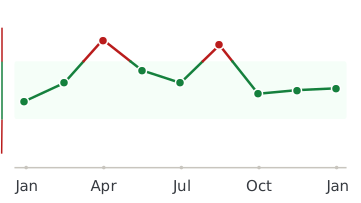
Healthmatters dashboard showing biomarker trend graph

Every lab result you’ve ever had, charted and explained.

Healthmatters is a tracker for your lab results. Upload a report from any lab, any country — every marker charted and explained.

Start with my report →
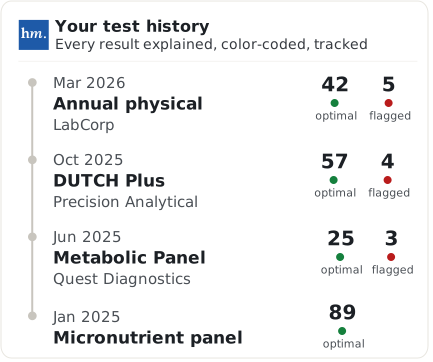
Beyond Candida spp. — 10,000+ markers explained
One Candida spp. result tells you where you are. Your history tells you where you’re heading. Upload your past lab reports and see this marker — and every marker on them —every marker charted against your own lab’s ranges.
Start with this report →
Healthmatters timeline preview showing biomarker trends over time
Clinical Sources & References

All our content is backed by peer-reviewed studies, academic research, and trusted medical sources. We’re committed to accuracy and transparency — see our editorial policy for details.

Article Review Log
Written by Healthmatters Editorial Team
Healthmatters Lifetime Plan

Pay $250. Track your health forever

One payment. No renewals. Yours for life.

10,000+ biomarkers explained · trends over time

See other plans →
Secure checkout via Stripe · GDPR & HIPAA
We accept results from any lab
LabCorp Quest Diagnostics Genova Diagnostics DUTCH Test Doctor's Data Vibrant America ZRT Laboratory Cyrex Labs + any other lab

What members are saying

★★★★★ 10,000+ happy members
★★★★★

"Watching my numbers move over the years — instead of forgetting last time's results — completely changed how I manage my health."

Daniel
Member since 2022
★★★★★

"Living across several countries made keeping my lab results organized a real challenge. Healthmatters brought my results from the USA, Spain, and Germany together — 20 years of history, with long-term trends instead of scattered reports."

Ben
Member since 2021 · tracks across countries
★★★★★

"Standard lab ranges are too wide for how I practice — 'normal' isn't optimal. I set my own bands, so a client sees yellow before a marker goes officially out of range. That's the conversation I want to be having."

Dr. Alexandra
Functional medicine · 6 yrs on Pro