
Collinsella

Optimal result: 0 – 20 Units

High levels of Collinsella may indicate:

  • Increased intestinal permeability (leaky gut)

  • Systemic inflammation

  • Metabolic syndrome or insulin resistance

  • Elevated cardiovascular risk markers

  • Diet high in sugars and refined carbohydrates

  • Dysbiosis with reduced butyrate producers

Potential Symptoms of Elevated Collinsella

  • Bloating or gas

  • Blood sugar fluctuations

  • Fatigue after meals

  • Digestive discomfort

  • Inflammation-related symptoms (joint stiffness, mild aches)

Potential Treatment & Management Approaches

Evidence and clinical patterns suggest the following may help rebalance elevated Collinsella:

  • Increase dietary fiber, especially from whole grains, legumes, vegetables

  • Reduce refined carbohydrates and added sugars

  • Increase foods that support butyrate producers (e.g., resistant starch, cooked/cooled potatoes, oats, green bananas)

  • Probiotics targeting SCFA production (Bifidobacteria, certain Lactobacillus species)

  • Anti-inflammatory dietary patterns, such as Mediterranean or high-polyphenol diets

  • Address gut barrier support (L-glutamine, zinc carnosine, probiotics, soluble fiber)

If high Collinsella is accompanied by metabolic symptoms or elevated inflammatory markers, discussing the results with a healthcare provider is recommended.

Collinsella is a normal gut bacterium involved in carbohydrate metabolism and gut barrier function. However, elevated levels are strongly linked to inflammation, metabolic imbalance, and reduced gut lining integrity. Low or high levels may reflect dysbiosis, dietary habits, digestive stress, or early signs of metabolic dysfunction.

Collinsella is a genus of bacteria commonly found in the human gut and plays a role in breaking down carbohydrates and producing certain metabolites. While present in healthy individuals, Collinsella becomes clinically relevant when it grows in excess. Research shows that elevated Collinsella is associated with increased intestinal permeability, higher inflammatory markers, insulin resistance, metabolic syndrome, obesity, and cardiovascular risk factors.

High Collinsella abundance is also linked to reduced butyrate-producing bacteria and higher production of pro-inflammatory metabolites, which can weaken the gut barrier and contribute to systemic inflammation. Patients with rheumatoid arthritis and certain autoimmune conditions also tend to show elevated levels, suggesting a role in immune dysregulation.

Low levels are generally not concerning and may indicate a balanced microbiome or dietary patterns lower in fermentable carbohydrates.

On the Gut Zoomer panel, Collinsella helps identify patterns related to inflammation, metabolic health, carbohydrate fermentation, and gut barrier integrity, making it a meaningful marker for both digestive and whole-body health.

Collinsella
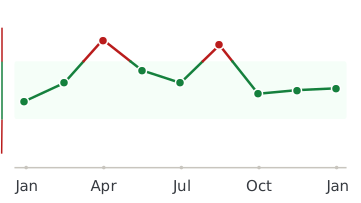
Healthmatters dashboard showing biomarker trend graph

Every lab result you’ve ever had, charted and explained.

Healthmatters is a tracker for your lab results. Upload a report from any lab, any country — every marker charted and explained.

Start with my report →
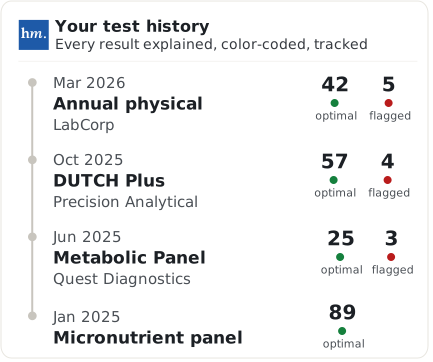
Beyond Collinsella — 10,000+ markers explained
One Collinsella result tells you where you are. Your history tells you where you’re heading. Upload your past lab reports and see this marker — and every marker on them —every marker charted against your own lab’s ranges.
Start with this report →
Healthmatters timeline preview showing biomarker trends over time
Clinical Sources & References

All our content is backed by peer-reviewed studies, academic research, and trusted medical sources. We’re committed to accuracy and transparency — see our editorial policy for details.

Article Review Log
Written by Healthmatters Editorial Team
Healthmatters Lifetime Plan

Pay $250. Track your health forever

One payment. No renewals. Yours for life.

10,000+ biomarkers explained · trends over time

See other plans →
Secure checkout via Stripe · GDPR & HIPAA
We accept results from any lab
LabCorp Quest Diagnostics Genova Diagnostics DUTCH Test Doctor's Data Vibrant America ZRT Laboratory Cyrex Labs + any other lab

What members are saying

★★★★★ 10,000+ happy members
★★★★★

"Watching my numbers move over the years — instead of forgetting last time's results — completely changed how I manage my health."

Daniel
Member since 2022
★★★★★

"Living across several countries made keeping my lab results organized a real challenge. Healthmatters brought my results from the USA, Spain, and Germany together — 20 years of history, with long-term trends instead of scattered reports."

Ben
Member since 2021 · tracks across countries
★★★★★

"Standard lab ranges are too wide for how I practice — 'normal' isn't optimal. I set my own bands, so a client sees yellow before a marker goes officially out of range. That's the conversation I want to be having."

Dr. Alexandra
Functional medicine · 6 yrs on Pro