
Complement Component C1Q is a vital element in the field of immunology and diagnostic medicine, playing a crucial role in the assessment of autoimmune and inflammatory disorders. This component forms part of the complement system, a group of proteins that enhance (complement) the ability of antibodies and phagocytic cells to clear pathogens from an organism. C1Q specifically initiates the classical complement pathway, a critical part of the body's innate immune response. Testing for Complement Component C1Q levels is particularly significant in diagnosing conditions such as Systemic Lupus Erythematosus (SLE) and other rheumatic diseases. In SLE, low levels of C1Q can be indicative of active disease and are often associated with lupus nephritis, a serious kidney complication. The test for C1Q is also useful in identifying C1Q deficiency, a rare genetic condition that significantly increases the risk of developing SLE. Furthermore, monitoring C1Q levels can assist in the management of immune-complex-mediated conditions, where the activation of the complement system plays a pathogenic role. The assessment of Complement Component C1Q underscores the importance of detailed immunological evaluations in providing accurate diagnoses and effective management plans for patients with autoimmune disorders.
 Complement Component C1Q
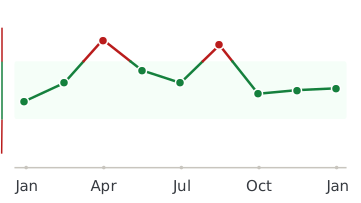
Every lab result you’ve ever had, charted and explained.
Healthmatters is a tracker for your lab results. Upload a report from any lab, any country — every marker charted and explained.
Start with my report →
All our content is backed by peer-reviewed studies, academic research, and trusted medical sources. We’re committed to accuracy and transparency — see our editorial policy for details.