
Desmosterol

Optimal result: 0 – 65 umol x 100/mmol of Total Cholesterol

High desmosterol levels indicate increased internal cholesterol production. This often reflects overactivity in the HMG-CoA reductase pathway—the same pathway targeted by statins. Elevated desmosterol is frequently seen in metabolic syndrome, insulin resistance, obesity, hypothyroidism, and individuals with a genetic tendency to produce excess cholesterol. High levels increase cardiovascular risk because the liver continually outputs cholesterol into the bloodstream, raising LDL levels. These patients typically respond well to statins, lifestyle strategies that reduce hepatic lipid production (such as reducing refined carbs and saturated fats), and certain nutraceuticals like berberine or red yeast rice. Monitoring trends over time helps assess treatment effectiveness.

Desmosterol is a critical marker on the Boston Heart Cholesterol Balance® test, playing a vital role in assessing cholesterol synthesis within the body. As one of the primary precursors in cholesterol production, desmosterol represents the alternative pathway that accounts for approximately 20% of in vivo cholesterol synthesis. Measuring desmosterol levels provides valuable insight into an individual's cholesterol biosynthesis, complementing the primary pathway marker, lathosterol. Elevated desmosterol levels can indicate increased endogenous cholesterol production, which may influence treatment strategies aimed at lowering low-density lipoprotein cholesterol (LDL-C) levels. By incorporating desmosterol measurements, the Boston Heart Cholesterol Balance test delivers a more nuanced understanding of cholesterol metabolism, enhancing the precision of cardiovascular disease risk assessment and management.

Desmosterol is a key intermediate in the body’s cholesterol synthesis pathway. The Boston Heart Cholesterol Balance Test measures desmosterol to determine whether your cholesterol levels are driven primarily by increased internal production (synthesis) or by reduced absorption from the intestines. Because cholesterol homeostasis varies widely from person to person, desmosterol provides personalized insight into how your body manages cholesterol.

High desmosterol levels indicate increased hepatic cholesterol synthesis—often associated with metabolic syndrome, insulin resistance, overactive HMG-CoA reductase activity, and genetic tendencies toward producing more cholesterol. Individuals with elevated desmosterol are typically strong responders to statins and other cholesterol-lowering medications that reduce cholesterol production. These patients may also benefit from specific diet adjustments that reduce hepatic lipid synthesis.

Low desmosterol levels suggest lower cholesterol production, which may mean cholesterol problems are driven instead by impaired absorption or other metabolic factors. In these cases, medications that block absorption (such as ezetimibe) or targeted gut therapies may be more useful. Evaluating desmosterol alongside other markers like campesterol and sitosterol provides a complete picture of cholesterol balance and helps clinicians personalize cardiovascular prevention strategies.

Desmosterol
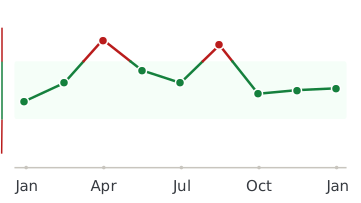
Healthmatters dashboard showing biomarker trend graph

Every lab result you’ve ever had, charted and explained.

Healthmatters is a tracker for your lab results. Upload a report from any lab, any country — every marker charted and explained.

Start with my report →
Beyond Desmosterol — 10,000+ markers explained
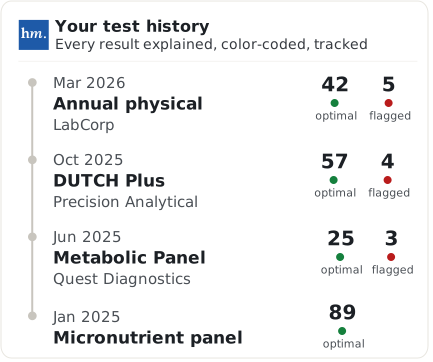
One Desmosterol result tells you where you are. Your history tells you where you’re heading. Upload your past lab reports and see this marker — and every marker on them —every marker charted against your own lab’s ranges.
Start with this report →
Healthmatters timeline preview showing biomarker trends over time
Clinical Sources & References

All our content is backed by peer-reviewed studies, academic research, and trusted medical sources. We’re committed to accuracy and transparency — see our editorial policy for details.

Article Review Log
Written by Healthmatters Editorial Team
Healthmatters Lifetime Plan

Pay $250. Track your health forever

One payment. No renewals. Yours for life.

10,000+ biomarkers explained · trends over time

See other plans →
Secure checkout via Stripe · GDPR & HIPAA
We accept results from any lab
LabCorp Quest Diagnostics Genova Diagnostics DUTCH Test Doctor's Data Vibrant America ZRT Laboratory Cyrex Labs + any other lab

What members are saying

★★★★★ 10,000+ happy members
★★★★★

"Watching my numbers move over the years — instead of forgetting last time's results — completely changed how I manage my health."

Daniel
Member since 2022
★★★★★

"Living across several countries made keeping my lab results organized a real challenge. Healthmatters brought my results from the USA, Spain, and Germany together — 20 years of history, with long-term trends instead of scattered reports."

Ben
Member since 2021 · tracks across countries
★★★★★

"Standard lab ranges are too wide for how I practice — 'normal' isn't optimal. I set my own bands, so a client sees yellow before a marker goes officially out of range. That's the conversation I want to be having."

Dr. Alexandra
Functional medicine · 6 yrs on Pro