
Epstein Barr Virus VCA IgG MFI

Sample type: Serum
Non-Reactive
If the Epstein-Barr Virus (EBV) VCA IgG MFI levels are non-reactive, it indicates that the test did not detect significant levels of IgG antibodies against the Viral Capsid Antigen (VCA) of EBV in the patient's blood. This typically suggests that the individual has not been exposed to the Epstein-Barr Virus, or at least has not developed an immune response detectable by this test. It's important to note that the absence of IgG antibodies to VCA could also mean that the infection is very recent and the body has not yet had enough time to produce these specific antibodies, as IgG antibodies usually develop a few weeks after the initial exposure to the virus. In such early stages of infection, other tests, such as those for EBV VCA IgM (another type of antibody that appears earlier in the course of infection), might be more informative. A non-reactive result is common in individuals who have never been infected with EBV, but given the high prevalence of the virus, such cases are less frequent in adults. If an EBV infection is still suspected despite a non-reactive IgG result, further testing and clinical evaluation might be necessary for a definitive diagnosis.
Reactive
If the Epstein-Barr Virus (EBV) VCA IgG MFI levels are reactive, it indicates that the patient's immune system has produced IgG antibodies in response to the Viral Capsid Antigen (VCA) of EBV, suggesting a past or current infection with the virus. IgG antibodies against EBV VCA typically develop during the initial infection phase and remain in the bloodstream for life, serving as a marker of previous exposure to the virus. A reactive result doesn't necessarily pinpoint whether the infection is recent or old, nor does it indicate an active infection. It simply shows that the individual has been exposed to EBV at some point. This finding is common, as EBV is a widespread virus and most people are infected at some time in their lives, often in childhood. In terms of treatment, EBV infections are usually self-limiting, meaning they resolve on their own without specific medical treatment. The primary focus is on symptom relief. For instance, in cases of infectious mononucleosis ("mono"), which is commonly caused by EBV, treatment includes rest, hydration, and over-the-counter pain and fever reducers such as acetaminophen or ibuprofen. It's also important to avoid strenuous activities and contact sports during recovery to prevent spleen enlargement or rupture, a rare complication of mononucleosis. In severe cases or complications, corticosteroids or other treatments might be considered. However, there is no specific antiviral treatment for EBV. Since EBV can remain dormant in the body and occasionally reactivate without causing symptoms, a reactive IgG test in asymptomatic individuals typically does not require treatment. It's important for anyone with concerning symptoms or a new diagnosis of EBV infection to consult a healthcare provider for individualized care and recommendations.


The Epstein-Barr Virus (EBV) VCA IgG MFI marker is a critical component in the serological assessment for Epstein-Barr virus infection, typically included in a comprehensive EBV panel. This marker specifically measures the Immunoglobulin G (IgG) antibodies against the Viral Capsid Antigen (VCA) of EBV, using a quantitative technique known as Mean Fluorescence Intensity (MFI). VCA is one of the first antigens expressed during an EBV infection, and the presence of IgG antibodies against it is indicative of a past or current infection. The MFI method quantitatively evaluates the amount of these specific IgG antibodies by measuring the average fluorescence intensity of the sample, providing a more precise and sensitive assessment compared to traditional qualitative methods. A positive EBV VCA IgG MFI result generally indicates that the individual has been infected with EBV at some point in their life, as these antibodies are produced during the initial infection and typically persist for life. However, this result does not distinguish between a past resolved infection and an ongoing active infection. Therefore, the EBV VCA IgG MFI values should be interpreted in conjunction with other markers on the EBV panel, such as EBV nuclear antigen (EBNA) and early antigen (EA) antibodies, as well as the patient's clinical presentation and history. This marker plays a vital role in the diagnosis and monitoring of EBV infection, contributing to the understanding of the infection's stage and the patient's immune response, which is essential for appropriate clinical management, especially in cases of suspected mononucleosis, chronic EBV infection, or EBV-related malignancies.

Epstein Barr Virus VCA IgG MFI
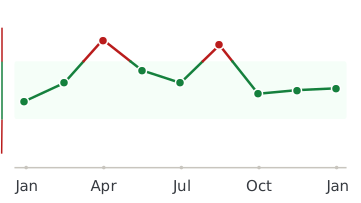
Healthmatters dashboard showing biomarker trend graph

Every lab result you’ve ever had, charted and explained.

Healthmatters is a tracker for your lab results. Upload a report from any lab, any country — every marker charted and explained.

Start with my report →
Beyond Epstein Barr Virus VCA IgG MFI — 10,000+ markers explained
One Epstein Barr Virus VCA IgG MFI result tells you where you are. Your history tells you where you’re heading. Upload your past lab reports and see this marker — and every marker on them —every marker charted against your own lab’s ranges.
Start with this report →
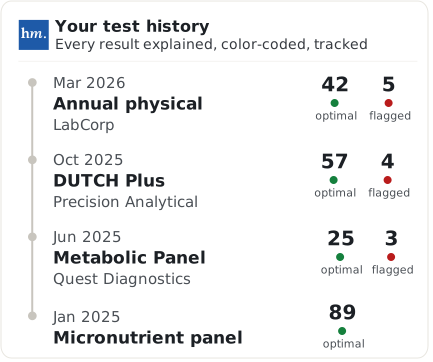
Healthmatters timeline preview showing biomarker trends over time
Clinical Sources & References

All our content is backed by peer-reviewed studies, academic research, and trusted medical sources. We’re committed to accuracy and transparency — see our editorial policy for details.

Article Review Log
Written by Healthmatters Editorial Team
Healthmatters Lifetime Plan

Pay $250. Track your health forever

One payment. No renewals. Yours for life.

10,000+ biomarkers explained · trends over time

See other plans →
Secure checkout via Stripe · GDPR & HIPAA
We accept results from any lab
LabCorp Quest Diagnostics Genova Diagnostics DUTCH Test Doctor's Data Vibrant America ZRT Laboratory Cyrex Labs + any other lab

What members are saying

★★★★★ 10,000+ happy members
★★★★★

"Watching my numbers move over the years — instead of forgetting last time's results — completely changed how I manage my health."

Daniel
Member since 2022
★★★★★

"Living across several countries made keeping my lab results organized a real challenge. Healthmatters brought my results from the USA, Spain, and Germany together — 20 years of history, with long-term trends instead of scattered reports."

Ben
Member since 2021 · tracks across countries
★★★★★

"Standard lab ranges are too wide for how I practice — 'normal' isn't optimal. I set my own bands, so a client sees yellow before a marker goes officially out of range. That's the conversation I want to be having."

Dr. Alexandra
Functional medicine · 6 yrs on Pro