
Folinic Acid (WB)

Optimal result: 9 – 35.5 nmol/L

High Folinic Acid (WB) may reflect increased dietary folate or supplementation, enhanced whole-blood folate storage, or reduced conversion into other folate derivatives. Elevated levels can also signal imbalances elsewhere in the folate cycle. Reviewing this marker alongside active folate forms and methylation biomarkers provides the clearest interpretation.

Low Folinic Acid (WB) indicates reduced long-term folate availability, which may impair DNA repair, red blood cell production, and methylation support. Possible contributors include low dietary folate, malabsorption, chronic inflammation, oxidative stress, or genetic variations in folate metabolism. Low levels may be associated with fatigue, anemia risk, reduced immune function, and impaired tissue repair.

Folinic Acid (WB) is an active, readily usable form of folate measured in whole blood, reflecting longer-term folate availability for DNA repair, cell growth, and methylation. This marker helps assess nutritional status, folate metabolism, and overall one-carbon cycle function, with abnormalities often linked to nutrient deficiencies, metabolic stress, or genetic variations affecting folate pathways.

Folinic Acid (WB), also known as 5-Formyl-THF, is a biologically active, reduced folate form that does not require activation by the MTHFR enzyme. Because whole-blood measurements include red blood cells, this marker reflects long-term folate status, providing a more stable view of folate availability than serum testing.

Folinic acid plays a central role in DNA synthesis and repair, cellular replication, immune resilience, and one-carbon metabolism, serving as a key interconversion form in the folate cycle. It ensures that the body can generate other folate derivatives essential for metabolic balance, including 5-MTHF for methylation and 10-Formyl-THF for nucleotide synthesis. Adequate folinic acid levels support healthy gene expression, optimal detoxification, neurotransmitter balance, and red blood cell formation.

Levels may be influenced by dietary folate intake, B-vitamin status, gastrointestinal absorption, inflammation, oxidative stress, and genetic variations in folate enzymes such as MTHFR, MTHFD1, or DHFR. Low folinic acid may impair DNA repair, cellular recovery, and methylation efficiency. Elevated levels may reflect high folate intake, supplementation, or reduced conversion in other branches of the folate cycle.

Interpreting Folinic Acid (WB) alongside 5-MTHF, Active Folate (RBC), THF, 10-Formyl-THF, and methylation markers (SAM, SAH, SAM/SAH ratio) provides a detailed picture of folate-cycle performance and helps guide personalized nutritional strategies.

Folinic Acid (WB)
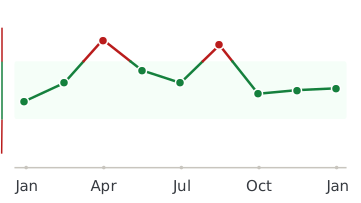
Healthmatters dashboard showing biomarker trend graph

Every lab result you’ve ever had, charted and explained.

Healthmatters is a tracker for your lab results. Upload a report from any lab, any country — every marker charted and explained.

Start with my report →
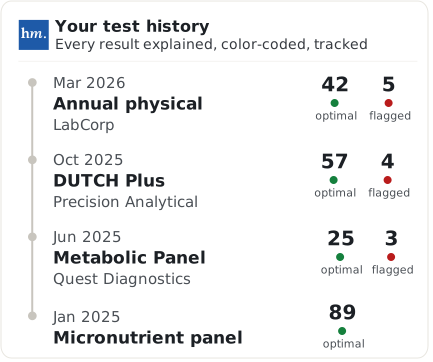
Beyond Folinic Acid (WB) — 10,000+ markers explained
One Folinic Acid (WB) result tells you where you are. Your history tells you where you’re heading. Upload your past lab reports and see this marker — and every marker on them —every marker charted against your own lab’s ranges.
Start with this report →
Healthmatters timeline preview showing biomarker trends over time
Clinical Sources & References

All our content is backed by peer-reviewed studies, academic research, and trusted medical sources. We’re committed to accuracy and transparency — see our editorial policy for details.

Article Review Log
Written by Healthmatters Editorial Team
Healthmatters Lifetime Plan

Pay $250. Track your health forever

One payment. No renewals. Yours for life.

10,000+ biomarkers explained · trends over time

See other plans →
Secure checkout via Stripe · GDPR & HIPAA
We accept results from any lab
LabCorp Quest Diagnostics Genova Diagnostics DUTCH Test Doctor's Data Vibrant America ZRT Laboratory Cyrex Labs + any other lab

What members are saying

★★★★★ 10,000+ happy members
★★★★★

"Watching my numbers move over the years — instead of forgetting last time's results — completely changed how I manage my health."

Daniel
Member since 2022
★★★★★

"Living across several countries made keeping my lab results organized a real challenge. Healthmatters brought my results from the USA, Spain, and Germany together — 20 years of history, with long-term trends instead of scattered reports."

Ben
Member since 2021 · tracks across countries
★★★★★

"Standard lab ranges are too wide for how I practice — 'normal' isn't optimal. I set my own bands, so a client sees yellow before a marker goes officially out of range. That's the conversation I want to be having."

Dr. Alexandra
Functional medicine · 6 yrs on Pro