
Light chains are proteins produced by immune cells called plasma cells. Also called kappa light chains, they link together with other proteins (heavy chains) to form immunoglobulins (= antibodies) that target and neutralize specific threats to the body (= bacteria & viruses).
Plasma cells normally produce some excess light chains that do not combine with heavy chains and instead enter the bloodstream. Free light chains refer to those that are not part of whole (= intact) immunoglobulins and are present in the blood.
This test measures the amount of free kappa and light chains in the blood to help detect, diagnose, and monitor conditions associated with an increased production of free light chains.
Each type of immunoglobulin is composed of four protein chains: 2 identical heavy chains and 2 identical light chains. A particular plasma cell will produce only one type of immunoglobulin. Normally, there is a slight excess of free light chains produced, so low levels of free kappa and lambda chains are detected in the blood.
References:
- https://www.ncbi.nlm.nih.gov/pmc/articles/PMC3629951/
- https://labtestsonline.org/tests/serum-free-light-chains
 Free Kappa Lt Chains, Serum
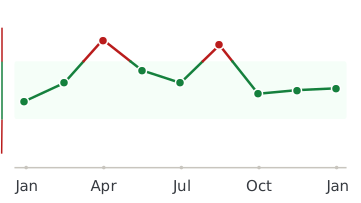
Every lab result you’ve ever had, charted and explained.
Healthmatters is a tracker for your lab results. Upload a report from any lab, any country — every marker charted and explained.
Start with my report →
All our content is backed by peer-reviewed studies, academic research, and trusted medical sources. We’re committed to accuracy and transparency — see our editorial policy for details.