
Measles Antibodies, IgG

Other names: Rubeola

Immune >16.4 AU/mL

The presence of detectable IgG-class antibodies indicates prior exposure to the measles virus through infection or immunization. Individuals testing positive are considered immune to measles infection.

Negative <13.5 AU/mL

The absence of detectable IgG-class antibodies suggests the lack of a specific immune response to immunization or no prior exposure to the measles virus.

Equivocal 13.5 - 16.4 AU/mL

Submit an additional sample for testing in 10 to 14 days to demonstrate IgG seroconversion if recently vaccinated or otherwise clinically indicated.

The measles virus belongs to the Paramyxoviridae family, which also includes parainfluenza virus serotypes 1-4, mumps, respiratory syncytial virus (RSV), and metapneumovirus. Measles is highly contagious, primarily transmitted through direct contact with aerosolized droplets or respiratory secretions from infected individuals.

Measles has an incubation period of about 8 to 12 days, followed by a prodromal phase characterized by high fever, cough, coryza, conjunctivitis, and malaise. Koplik spots, which can last for 12 to 72 hours, may appear on the buccal mucosa.

After this initial phase, a maculopapular, erythematous rash develops, starting behind the ears and on the forehead, eventually spreading centrifugally to involve the trunk and extremities.

Immunocompromised individuals, pregnant women, and those with nutritional deficiencies are at higher risk of severe complications, including pneumonia and central nervous system involvement, following measles infection.

Since the introduction of the national measles vaccination program in 1963, measles incidence in the United States has dropped to fewer than 0.5 cases per 1,000,000 population, making it non-endemic. However, sporadic outbreaks still occur due to exposure of nonimmune individuals or waning immunity among travelers. The 2011 measles outbreak in Western Europe underscores the virus's persistence globally, emphasizing the importance of vaccination programs.

Measles diagnosis often relies on clinical presentation, but screening for IgG-class antibodies to the measles virus can help identify nonimmune individuals.

Measles Antibodies, IgG
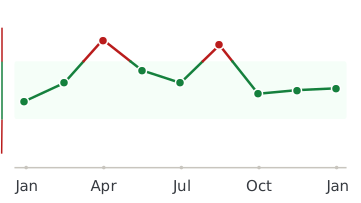
Healthmatters dashboard showing biomarker trend graph

Every lab result you’ve ever had, charted and explained.

Healthmatters is a tracker for your lab results. Upload a report from any lab, any country — every marker charted and explained.

Start with my report →
Beyond Measles Antibodies, IgG — 10,000+ markers explained
One Measles Antibodies, IgG result tells you where you are. Your history tells you where you’re heading. Upload your past lab reports and see this marker — and every marker on them —every marker charted against your own lab’s ranges.
Start with this report →
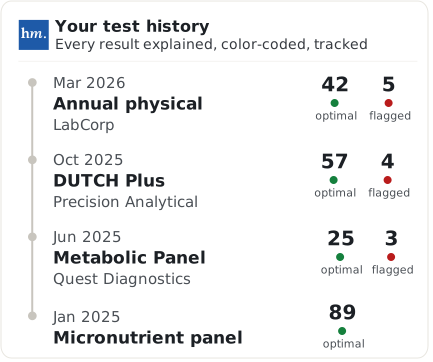
Healthmatters timeline preview showing biomarker trends over time
Clinical Sources & References

All our content is backed by peer-reviewed studies, academic research, and trusted medical sources. We’re committed to accuracy and transparency — see our editorial policy for details.

Article Review Log
Written by Healthmatters Editorial Team
Healthmatters Lifetime Plan

Pay $250. Track your health forever

One payment. No renewals. Yours for life.

10,000+ biomarkers explained · trends over time

See other plans →
Secure checkout via Stripe · GDPR & HIPAA
We accept results from any lab
LabCorp Quest Diagnostics Genova Diagnostics DUTCH Test Doctor's Data Vibrant America ZRT Laboratory Cyrex Labs + any other lab

What members are saying

★★★★★ 10,000+ happy members
★★★★★

"Watching my numbers move over the years — instead of forgetting last time's results — completely changed how I manage my health."

Daniel
Member since 2022
★★★★★

"Living across several countries made keeping my lab results organized a real challenge. Healthmatters brought my results from the USA, Spain, and Germany together — 20 years of history, with long-term trends instead of scattered reports."

Ben
Member since 2021 · tracks across countries
★★★★★

"Standard lab ranges are too wide for how I practice — 'normal' isn't optimal. I set my own bands, so a client sees yellow before a marker goes officially out of range. That's the conversation I want to be having."

Dr. Alexandra
Functional medicine · 6 yrs on Pro