
The RC-II+III Activity / CS Ratio assesses the combined activity of Respiratory Chain Complex II (RC-II) and Respiratory Chain Complex III (RC-III)—two essential mitochondrial enzyme complexes that pass electrons from the Krebs cycle into the electron transport chain and ultimately toward ATP production. Complex II feeds electrons into coenzyme Q, while Complex III transfers them further along the chain. Together, they form a functional unit, making this ratio a valuable indicator of integrated mitochondrial performance.
By comparing the activity of RC-II+III to Citrate Synthase (CS)—a marker of mitochondrial quantity—this marker evaluates how well each mitochondrion is functioning. A normal ratio suggests balanced electron flow and efficient ATP production. A low ratio may reflect impaired electron transfer, oxidative stress, mitochondrial inefficiency, or early dysfunction affecting mid-chain complexes. A high ratio may indicate strong metabolic activity or compensatory upregulation.
Clinicians often use this marker as part of a non-invasive screening panel for individuals experiencing chronic fatigue, neurodevelopmental symptoms, exercise intolerance, metabolic challenges, or suspected mitochondrial dysfunction. While buccal mitochondrial testing is not diagnostic on its own, this ratio provides useful insight when combined with other respiratory chain markers (RC-I/CS, RC-II/CS, RC-IV/CS) and the patient’s clinical picture.
 RC-II+III Activity / CS Ratio, Buccal
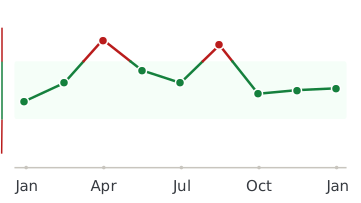
Every lab result you’ve ever had, charted and explained.
Healthmatters is a tracker for your lab results. Upload a report from any lab, any country — every marker charted and explained.
Start with my report →
All our content is backed by peer-reviewed studies, academic research, and trusted medical sources. We’re committed to accuracy and transparency — see our editorial policy for details.