
S-Adenosylhomocysteine (SAH) is formed when S-Adenosylmethionine (SAM) donates a methyl group during methylation reactions. While SAH is normal and expected, elevated intracellular SAH can significantly inhibit methyltransferase enzymes—reducing the body’s ability to methylate DNA, proteins, neurotransmitters, and lipids. Because methylation is required for healthy gene expression, detoxification, inflammation control, and neurological function, SAH plays a central regulatory role in one-carbon metabolism.
Testing SAH in red blood cells (RBCs) offers a long-term and reliable measure of methylation pathway activity, avoiding the short-term fluctuations seen in plasma tests. High SAH often reflects impaired conversion of SAH back into homocysteine, a step dependent on adequate folate, vitamin B12, and vitamin B6 as well as healthy liver and kidney function. Elevated SAH frequently accompanies low SAM or a low SAM/SAH ratio, both of which point toward reduced methylation capacity.
Persistent elevations in SAH may contribute to increased homocysteine, impaired detoxification, reduced neurotransmitter synthesis, poor cellular repair, inflammation, and oxidative stress. This biomarker is especially relevant for individuals experiencing fatigue, neurological symptoms, cardiovascular risk, fertility challenges, mood changes, and chronic inflammatory conditions.
Interpreting SAH along with SAM and the SAM/SAH ratio provides the most complete insight into methylation efficiency and overall one-carbon metabolism.
 S-Adenosylhomocysteine (RBC)
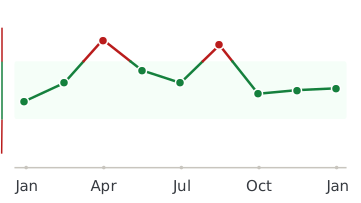
Every lab result you’ve ever had, charted and explained.
Healthmatters is a tracker for your lab results. Upload a report from any lab, any country — every marker charted and explained.
Start with my report →
All our content is backed by peer-reviewed studies, academic research, and trusted medical sources. We’re committed to accuracy and transparency — see our editorial policy for details.