
Tacrolimus, a potent immunosuppressant widely used in organ transplantation, is routinely monitored in whole blood to ensure therapeutic efficacy and minimize toxicity. Chemically known as FK506, tacrolimus binds to the immunophilin FKBP-12, forming a complex that inhibits calcineurin, a critical enzyme in T-lymphocyte signal transduction. By this mechanism, tacrolimus effectively suppresses the immune system, reducing the risk of organ rejection. Its narrow therapeutic index necessitates precise dosing, managed through regular monitoring of whole blood tacrolimus levels. The drug’s pharmacokinetics are highly variable among individuals due to factors like age, liver function, concomitant medications, and genetic polymorphisms in enzymes like CYP3A5. Blood levels are quantified using techniques such as high-performance liquid chromatography (HPLC) or mass spectrometry. Optimal therapeutic ranges vary depending on the transplant type, post-transplant duration, and concomitant immunosuppressive regimen. Maintaining tacrolimus levels within this therapeutic window is critical; subtherapeutic levels can lead to graft rejection, while supratherapeutic levels increase the risk of adverse effects like nephrotoxicity, neurotoxicity, and increased susceptibility to infections and diabetes mellitus. Continuous advancements in pharmacogenomics and therapeutic drug monitoring are refining tacrolimus dosing, aiming to personalize treatment and enhance transplant outcomes.
Tacrolimus [FK506] suggested therapeutic ranges:
Pediatrics: 2-5 ng/mL
Solid organ transplants, Adults: 8-15 ng/mL
Allogeneic stem cell transplants: 5-15 ng/mL
Adult Toxic Level: >20 ng/mL
Pediatric Toxic Level: >7.5 ng/mL
 Tacrolimus, Whole Blood
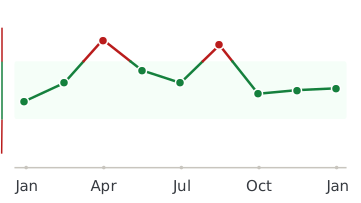
Every lab result you’ve ever had, charted and explained.
Healthmatters is a tracker for your lab results. Upload a report from any lab, any country — every marker charted and explained.
Start with my report →
All our content is backed by peer-reviewed studies, academic research, and trusted medical sources. We’re committed to accuracy and transparency — see our editorial policy for details.