
Vitamin B1 (Thiamine), Blood

Sample type: Blood

Other names: VITAMIN B1 (THIAMINE), BLOOD, LC/MS/MS

Optimal result: 78 – 185 nmol/L

Elevated levels of Vitamin B1 (Thiamine) in the blood are relatively uncommon because it is a water-soluble vitamin, meaning the body excretes excess amounts through urine. However, in rare cases where thiamine levels are higher than normal, it might be due to excessive intake of supplements or dietary sources. It's important to note that unlike fat-soluble vitamins, water-soluble vitamins like B1 are less likely to cause toxicity.

While thiamine toxicity is rare, extremely high doses can lead to adverse effects such as allergic reactions, skin irritations, or gastrointestinal symptoms. If someone suspects their thiamine levels are abnormally high, the first step is to assess their dietary and supplement intake to ensure it does not exceed the recommended daily allowances.

In the case of elevated thiamine levels due to excessive supplementation, the primary treatment would be to adjust or discontinue the supplement under the guidance of a healthcare professional. They may also recommend blood tests to monitor thiamine levels and ensure they return to a safe range.

If symptoms of toxicity are present, medical attention is necessary. Healthcare providers can offer supportive care and treatments to manage any symptoms. It's always advisable to seek medical advice before starting or stopping any supplements, especially in higher doses, to maintain optimal health and prevent any adverse effects.

Vitamin B1, also known as Thiamine, plays a crucial role in maintaining optimal blood health. As a water-soluble vitamin, it is essential for the proper functioning of the circulatory system and is particularly vital in the metabolism of glucose, which is the primary energy source for the body and especially important for the brain and nervous system. Thiamine helps in the production of red blood cells and in the maintenance of healthy endothelial cells, which line the blood vessels, thus ensuring efficient nutrient and oxygen transport throughout the body.

Vitamin B1, also known as Thiamine, plays a crucial role in maintaining optimal blood health. As a water-soluble vitamin, it is essential for the proper functioning of the circulatory system and is particularly vital in the metabolism of glucose, which is the primary energy source for the body and especially important for the brain and nervous system. Thiamine helps in the production of red blood cells and in the maintenance of healthy endothelial cells, which line the blood vessels, thus ensuring efficient nutrient and oxygen transport throughout the body. Deficiency of Vitamin B1 can lead to serious blood-related conditions, including anemia and poor blood circulation. This underscores the importance of incorporating thiamine-rich foods such as whole grains, legumes, nuts, and seeds into one’s diet or considering supplements, especially for individuals with increased nutritional needs or those with dietary restrictions. Regular intake of Vitamin B1 is not only crucial for blood health but also supports overall physiological functions, highlighting its essential role in maintaining a healthy and balanced lifestyle.

Vitamin B1 (Thiamine), Blood
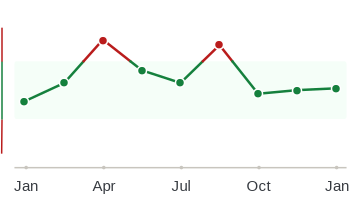
Healthmatters dashboard showing biomarker trend graph

Every lab result you’ve ever had, charted and explained.

Healthmatters is a tracker for your lab results. Upload a report from any lab, any country — every marker charted and explained.

Start with my report →
Beyond Vitamin B1 (Thiamine), Blood — 10,000+ markers explained
One Vitamin B1 (Thiamine), Blood result tells you where you are. Your history tells you where you’re heading. Upload your past lab reports and see this marker — and every marker on them —every marker charted against your own lab’s ranges.
Start with this report →
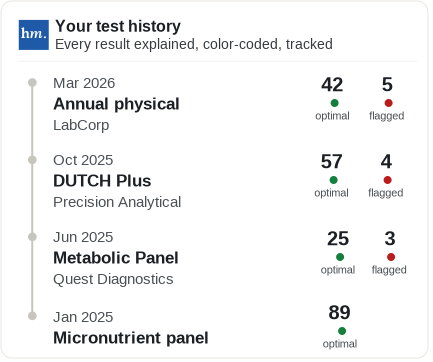
Healthmatters timeline preview showing biomarker trends over time
Clinical Sources & References

All our content is backed by peer-reviewed studies, academic research, and trusted medical sources. We’re committed to accuracy and transparency — see our editorial policy for details.

Article Review Log
Written by Healthmatters Editorial Team
Healthmatters Lifetime Plan

Pay $250. Track your health forever

One payment. No renewals. Yours for life.

10,000+ biomarkers explained · trends over time

See other plans →
Secure checkout via Stripe · GDPR & HIPAA
We accept results from any lab
LabCorp Quest Diagnostics Genova Diagnostics DUTCH Test Doctor's Data Vibrant America ZRT Laboratory Cyrex Labs + any other lab

What members are saying

★★★★★ 10,000+ happy members
★★★★★

"Watching my numbers move over the years — instead of forgetting last time's results — completely changed how I manage my health."

Daniel
Member since 2022
★★★★★

"Living across several countries made keeping my lab results organized a real challenge. Healthmatters brought my results from the USA, Spain, and Germany together — 20 years of history, with long-term trends instead of scattered reports."

Ben
Member since 2021 · tracks across countries
★★★★★

"Standard lab ranges are too wide for how I practice — 'normal' isn't optimal. I set my own bands, so a client sees yellow before a marker goes officially out of range. That's the conversation I want to be having."

Dr. Alexandra
Functional medicine · 6 yrs on Pro