
Gliadin is a glycoprotein. It is an alcohol-soluble protein present in wheat and occurring in various forms (a-, g-, and w-gliadins). a-Gliadin-33-mer is produced by natural digestion processes. It is resistant to proteolytic degradation and stimulates T cells.
Known Cross-Reactions: 21 Hydroxylase, Asialoganglioside, Corn, Cytochrome P450, Dairy proteins, Glutamic Acid Decarboxylase, Myelin Basic Protein, Millet, Myocardial Peptide, Oats, Osteocyte, Ovary, Rice, Synapsin, Thyroid Peroxidase, Yeast; Cerebellar
References:
Al-Bayaty, et al. Salivary and serum antibodies to gliadin in the diagnosis of celiac disease. J Oral Pathol Med, 1989; 18:578-581.
Matsiak-Budnik, et al. Secretory IgA mediates retrotranscytosis of intact gliadin peptides via the transferrin receptor in celiac disease. JEM, 2008; 205(1):143-154.
Hakeem, et al. Salivary IgA antigliadin antibody as a marker for coeliac disease. Arch Dis Childhood, 1992; 67:724-727.
Marinello, et al. Celiac disease screening: exploring the iceberg with salivary antigliadin antibodies. J Ped Gastroenterol Nutr, 2001; 32:227–228.
Matsiak-Budnik, et al. Secretory IgA mediates retrotranscytosis of intact gliadin peptides via the transferrin receptor in celiac disease. JEM, 2008; 205(1):143-154.
Qiao, et al. Antigen presentation to celiac lesion-derived T cells of a 33-mer gliadin peptide naturally formed by gastrointestinal digestion. J Immunol, 2004; 173:1757-1762.
Schumann, et al. Mechanisms of epithelial translocation of the a2-gliadin-33mer in coeliac sprue. Gut, 2008; 57:747-754.
Vojdani, et al. Immune response to dietary proteins, gliadin and cerebellar peptide in children with autism. Nutr Neurosci, 2004; 7(3):151-161.
Vojdani and Tarash. Cross-reaction between gliadin and different food and tissue antigens. Food Nutri Sci, 2013; 4:20-32.
 Alpha-Gliadin-33-mer IgA+IgM
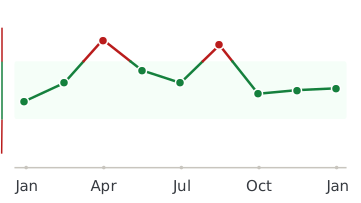
Every lab result you’ve ever had, charted and explained.
Healthmatters is a tracker for your lab results. Upload a report from any lab, any country — every marker charted and explained.
Start with my report →
All our content is backed by peer-reviewed studies, academic research, and trusted medical sources. We’re committed to accuracy and transparency — see our editorial policy for details.