
CD56

Optimal result: 5 – 24 %

A decreased level of CD56, a marker typically found on natural killer (NK) cells and a subset of T-lymphocytes, can signify various health issues and conditions. CD56+ cells are crucial for the immune system's ability to target and destroy infected or cancerous cells without prior sensitization. Below are some potential implications of decreased CD56 levels:

Implications of Decreased CD56 Levels

→ Immunodeficiency Disorders:
Conditions such as severe combined immunodeficiency (SCID) and other congenital immunodeficiencies can lead to low levels of CD56+ NK cells, resulting in increased susceptibility to infections.

→ Chronic Viral Infections:
Chronic infections, such as HIV, can deplete CD56+ NK cells. HIV specifically causes a progressive decline in various immune cell populations, including CD56+ cells.

→ Bone Marrow Suppression:
Diseases or treatments that suppress bone marrow function, such as chemotherapy, radiation therapy, or certain bone marrow disorders, can reduce the production of NK cells, including CD56+ cells.

→ Autoimmune Diseases:
Some autoimmune disorders may be associated with altered levels of NK cells. In these conditions, the immune system's regulation is disrupted, affecting CD56+ cell levels.

→ Stress and Chronic Illness:
Chronic stress and long-term illnesses can impact immune function, leading to changes in NK cell populations, including CD56+ cells.

→ Malnutrition and Nutritional Deficiencies:
Severe malnutrition or deficiencies in essential nutrients required for immune cell development can result in decreased levels of CD56+ cells.

→ Medications:
Certain medications, particularly immunosuppressants and corticosteroids, can decrease NK cell levels, including CD56+ cells.

→ Hematologic Malignancies:
Some blood cancers, such as leukemias and lymphomas, can affect NK cell populations and lead to decreased levels of CD56+ cells.

Clinical Implications

→ Increased Infection Risk:
Reduced CD56+ NK cell levels can impair the body’s ability to respond to infections, particularly viral infections.

→ Cancer Surveillance:
Lower levels of NK cells may diminish the body's natural ability to identify and eliminate cancerous cells, potentially increasing cancer risk.

→ Autoimmune and Chronic Conditions:
Monitoring CD56 levels can provide insights into the progression and management of autoimmune diseases and chronic conditions.

If a decreased level of CD56 is detected, it is important to investigate the underlying cause through a comprehensive clinical evaluation. Consulting with a healthcare provider can help interpret these findings in the context of other clinical information and guide appropriate diagnostic and therapeutic strategies.

CD56 is an adhesion molecule mediating homophilic and heterophilic adhesion in neurons, natural killer cells, and a small subset of CD4- and CD8-positive T cells. It is expressed in tumors with neuroendocrine differentiation (small cell lung carcinoma and neural-derived tumors) or natural killer cell lineage (subset of lymphomas). In normal small intestine, the ganglion cells in the muscle wall and nerves will show strong staining. Scattered lymphocytes may also be positive.

CD56 is an adhesion molecule mediating homophilic and heterophilic adhesion in neurons, natural killer cells, and a small subset of CD4- and CD8-positive T cells. It is expressed in tumors with neuroendocrine differentiation (small cell lung carcinoma and neural-derived tumors) or natural killer cell lineage (subset of lymphomas). In normal small intestine, the ganglion cells in the muscle wall and nerves will show strong staining. Scattered lymphocytes may also be positive.

CD56 is the archetypal phenotypic marker of natural killer cells but can actually be expressed by many more immune cells, including alpha beta T cells, gamma delta T cells, dendritic cells, and monocytes.

The neural cell adhesion molecule (NCAM), also known as CD56, is a member of the immunoglobulin superfamily engaged in both so-called homophilic and heterophilic interactions. Three main isoforms exist of CD56 (NCAM-120, NCAM-140, and NCAM-180), all generated by alternative splicing from one single gene, differing in their intracellular domain length.

CD56 is often considered a marker of neural lineage commitment due to its discovery site. However, CD56 expression is also found in, among others, the hematopoietic system. Here, the expression of CD56 is most stringently associated with, but certainly not limited to, natural killer (NK) cells.

CD56 has been detected on other lymphoid cells, including gamma delta T cells and activated CD8+ T cells, as well as on dendritic cells (DCs).

Also, in the bone marrow, at the site where hematopoiesis occurs, CD56 fulfills a pivotal role. Mesenchymal stromal cells provide niches for hematopoietic stem cells by, inter alia, the expression of adhesion molecules comprising CD56, maintaining long-term hematopoiesis.

On the other hand, aberrant CD56 expression is seen in a range of hematological malignancies [e.g., multiple myeloma and leukemia] as well as solid tumors [e.g., lung cancer, ovarian cancer, and neuroblastoma]. Moreover, numerical and functional deficiencies and phenotypic alterations of CD56+ immune cells have been reported in patients with various infectious, autoimmune or malignant diseases.

References:

Van Acker HH, Capsomidis A, Smits EL, Van Tendeloo VF. CD56 in the Immune System: More Than a Marker for Cytotoxicity? Front Immunol. 2017 Jul 24;8:892. doi: 10.3389/fimmu.2017.00892. PMID: 28791027; PMCID: PMC5522883.

CD56
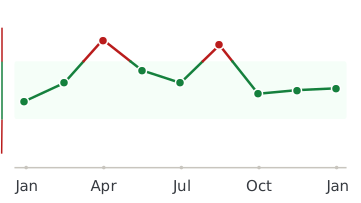
Healthmatters dashboard showing biomarker trend graph

Every lab result you’ve ever had, charted and explained.

Healthmatters is a tracker for your lab results. Upload a report from any lab, any country — every marker charted and explained.

Start with my report →
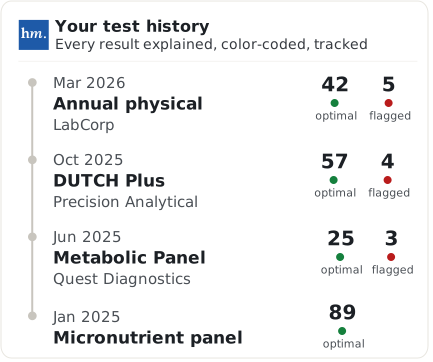
Beyond CD56 — 10,000+ markers explained
One CD56 result tells you where you are. Your history tells you where you’re heading. Upload your past lab reports and see this marker — and every marker on them —every marker charted against your own lab’s ranges.
Start with this report →
Healthmatters timeline preview showing biomarker trends over time
Clinical Sources & References

All our content is backed by peer-reviewed studies, academic research, and trusted medical sources. We’re committed to accuracy and transparency — see our editorial policy for details.

Article Review Log
Written by Healthmatters Editorial Team
Healthmatters Lifetime Plan

Pay $250. Track your health forever

One payment. No renewals. Yours for life.

10,000+ biomarkers explained · trends over time

See other plans →
Secure checkout via Stripe · GDPR & HIPAA
We accept results from any lab
LabCorp Quest Diagnostics Genova Diagnostics DUTCH Test Doctor's Data Vibrant America ZRT Laboratory Cyrex Labs + any other lab

What members are saying

★★★★★ 10,000+ happy members
★★★★★

"Watching my numbers move over the years — instead of forgetting last time's results — completely changed how I manage my health."

Daniel
Member since 2022
★★★★★

"Living across several countries made keeping my lab results organized a real challenge. Healthmatters brought my results from the USA, Spain, and Germany together — 20 years of history, with long-term trends instead of scattered reports."

Ben
Member since 2021 · tracks across countries
★★★★★

"Standard lab ranges are too wide for how I practice — 'normal' isn't optimal. I set my own bands, so a client sees yellow before a marker goes officially out of range. That's the conversation I want to be having."

Dr. Alexandra
Functional medicine · 6 yrs on Pro