
Enterobacter cloacae complex

Optimal result: 0 – 5 x10^5 CFU/g

Elevated levels may also be associated with antibiotic use, obesity, inflammation, inflammatory bowel disease and nosocomial, urinary tract, respiratory and other infections. Antibiotic resistance is a growing problem with regard to treating Enterobacter infections. If treatment is warranted, carbapenems, beta-lactams, beta-lactamase inhibitors, fluoroquinolones, aminoglycosides, and sulfamethoxazole/trimethoprim may be effective.

Enterobacter is a genus of common Gram-negative, facultatively anaerobic, rod-shaped bacteria, commonly found in the environment as well as the gastrointestinal tract. There are many species, however, not all species are known to cause human disease.
Usually considered a commensal organism; however, strains of E.b cloacae have been shown to produce a heat-stable toxin similar to that produced by E.coli.

Enterobacter cloacae complex is part of the Enterobacteriaceae family. E cloacae complex is a group of six closely related species with similar resistance patterns:

E. cloacae, E. asburiae, E. hormaechei, E. kobei, E. ludwigii, and E. nimipressuralis.

This gram-negative bacterium is considered dysbiotic at levels of 3+ or greater. E. cloacae complex is considered an opportunistic pathogen associated with diarrhea in children.

A Shiga-like toxin-producing E. cloacae was isolated from the feces of an infant with hemolytic-uremic syndrome. However, E. cloacae complex is most often involved in extraintestinal infections including the urinary tract, respiratory tract, and cutaneous wounds.

Widely distributed in the environment, Enterobacter spp. is commonly isolated from both human and animal feces. Environmental strains of Enterobacter spp. are capable of growth in foods at refrigeration temperature. E. cloacae complex is known to possess inducible ß-lactamases. Isolates may become resistant to all cephalosporins after initiation of therapy. Avoid ß-lactam-inhibitor drugs such as amoxicillin/ clavulanate, ampicillin/sulbactam, and piperacillin/tazobactam.

Antibiotics may be indicated in systemic infections if symptoms are prolonged.

Enterobacter cloacae complex
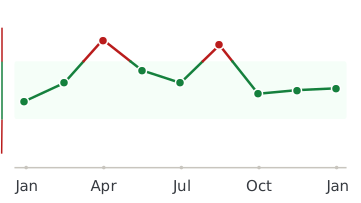
Healthmatters dashboard showing biomarker trend graph

Every lab result you’ve ever had, charted and explained.

Healthmatters is a tracker for your lab results. Upload a report from any lab, any country — every marker charted and explained.

Start with my report →
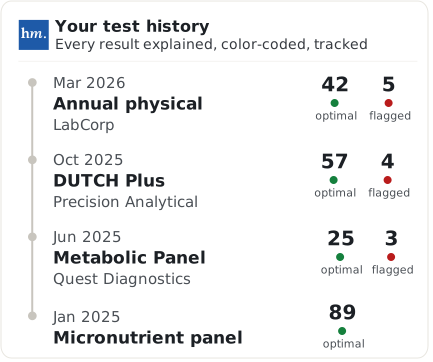
Beyond Enterobacter cloacae complex — 10,000+ markers explained
One Enterobacter cloacae complex result tells you where you are. Your history tells you where you’re heading. Upload your past lab reports and see this marker — and every marker on them —every marker charted against your own lab’s ranges.
Start with this report →
Healthmatters timeline preview showing biomarker trends over time
Clinical Sources & References

All our content is backed by peer-reviewed studies, academic research, and trusted medical sources. We’re committed to accuracy and transparency — see our editorial policy for details.

Article Review Log
Written by Healthmatters Editorial Team
Healthmatters Lifetime Plan

Pay $250. Track your health forever

One payment. No renewals. Yours for life.

10,000+ biomarkers explained · trends over time

See other plans →
Secure checkout via Stripe · GDPR & HIPAA
We accept results from any lab
LabCorp Quest Diagnostics Genova Diagnostics DUTCH Test Doctor's Data Vibrant America ZRT Laboratory Cyrex Labs + any other lab

What members are saying

★★★★★ 10,000+ happy members
★★★★★

"Watching my numbers move over the years — instead of forgetting last time's results — completely changed how I manage my health."

Daniel
Member since 2022
★★★★★

"Living across several countries made keeping my lab results organized a real challenge. Healthmatters brought my results from the USA, Spain, and Germany together — 20 years of history, with long-term trends instead of scattered reports."

Ben
Member since 2021 · tracks across countries
★★★★★

"Standard lab ranges are too wide for how I practice — 'normal' isn't optimal. I set my own bands, so a client sees yellow before a marker goes officially out of range. That's the conversation I want to be having."

Dr. Alexandra
Functional medicine · 6 yrs on Pro