
WHAT IS GRAN IN A BLOOD TEST?
When you see "GRAN," "GRAN#," "GRA," or "Gran Mat" on a CBC report, it refers to your absolute granulocyte count — the total number of granulocytes circulating in your blood. Granulocytes are white blood cells that contain granules filled with enzymes for destroying bacteria, fungi, and parasites.
Why does the label vary so much? Different laboratory analyzers and reporting systems use different abbreviations for the same measurement. All of the following refer to granulocyte count:
| Label on report | What it means |
|---|---|
| GRAN# | Absolute granulocyte count (number per microliter) |
| GRAN% | Granulocyte percentage (percent of total WBCs) |
| GRA or GRA# | Abbreviated form of absolute granulocyte count |
| Gran | Same as GRAN# — absolute count |
| Gran Mat or Gran Mat (Neut) | Granulocyte (Mature) — mature granulocytes, primarily neutrophils |
| Abs Gran or Abs Grn | Absolute granulocytes |
| Grans Absolute | Absolute granulocyte count |
| Auto Absolute Granulocyte | Automated absolute granulocyte count (from automated CBC analyzer) |
| Gran# (ANC) | Absolute granulocyte count — often approximates the Absolute Neutrophil Count since neutrophils dominate |
| Gran Mat × 10³ (ANC) | Mature granulocyte count × 10³ per µL |
GRAN# vs GRAN% — what's the difference?
These are two different measurements on the same report:
| Measurement | What it measures | Normal range | Units |
|---|---|---|---|
| GRAN# (absolute) | Total number of granulocytes in a microliter of blood | 1.5–8.5 × 10³/µL | × 10³/µL or cells/µL |
| GRAN% (percent) | Granulocytes as a percentage of all white blood cells | 39-78% | % |
A person can have a normal GRAN# but elevated GRAN% (if other WBC types are low), or elevated GRAN# with normal GRAN% (if all WBC types are high). The absolute count is generally more clinically meaningful for infection risk assessment.
WHAT ARE GRANULOCYTES?
Granulocytes are the most numerous type of white blood cell and form the first line of defense against infection. The GRAN# counts three types together:
| Type | % of WBCs | Primary role |
|---|---|---|
| Neutrophils | 39-78% of WBCs; 90%+ of all granulocytes | Primary defense against bacterial and fungal infections; first responders to infection |
| Eosinophils | 1–4% of WBCs | Respond to parasitic infections and allergic reactions |
| Basophils | < 1% of WBCs | Involved in allergic responses and inflammation; release histamine |
Because neutrophils dominate, the absolute granulocyte count is a close approximation of the Absolute Neutrophil Count (ANC), though not identical — GRAN# includes eosinophils and basophils, while ANC measures neutrophils only.
NORMAL RANGE FOR GRAN (ABSOLUTE GRANULOCYTE COUNT)
| Unit | Normal adult range |
|---|---|
| × 10³/µL (or × 10³ cells/µL) | 1.5–8.5 |
| × 10⁹/L | 1.5–8.5 |
| cells/µL | 1,500–8,500 |
GRAN% normal range: 39-78% of total white blood cells
Note on the range: Reference ranges for granulocytes vary between laboratories, analyzers, and reporting systems — some labs don't report a combined granulocyte count at all and instead report neutrophils, eosinophils, and basophils separately. The 1.5–8.5 × 10³/µL range is typical of many laboratories but is not universal. Always use the reference range printed on your own lab report as the primary guide.
"My GRAN# is X" — individual value lookup:
| GRAN# (× 10³/µL) | Typical interpretation |
|---|---|
| 0.1 | Agranulocytosis; emergency evaluation; life-threatening infection risk |
| 0.2 | Agranulocytosis; urgent hematology evaluation |
| 0.3 | Severe granulocytopenia; protective isolation typically required |
| 0.5 | Severe granulocytopenia; significant infection risk; close monitoring |
| 0.8 | Moderate granulocytopenia; increased infection risk; evaluate cause |
| 1.0 | Mild-moderate granulocytopenia; may require investigation |
| 1.2 | Low-borderline; mildly below standard lower limit; repeat and investigate if persistent |
| 1.5 | At the lower boundary of the typical adult range; borderline |
| 2.0 | Normal; lower portion of reference range |
| 3.0 | Normal; comfortably within reference range |
| 4.0 | Normal; mid-reference range for most adults |
| 5.0 | Normal |
| 6.0 | Normal; upper portion of typical reference range |
| 7.0 | Normal to upper-normal; within range at most labs |
| 8.0 | Upper-normal; within range at most labs |
| 8.5 | At or near the upper boundary of the typical adult range; borderline |
| 9.0 | Mildly elevated; evaluate for infection, inflammation, or stress |
| 10 | Mildly elevated; consider recent exercise, stress, steroids, or early infection |
| 12 | Clearly elevated; infection or inflammatory cause likely; further evaluation if not explained |
| 15 | Elevated; active infection, severe inflammation, or medication effect; workup warranted |
| 20 | Significantly elevated; if not explained by acute infection or G-CSF therapy, consider myeloproliferative disorder |
| 30+ | Very high; bone marrow disorder (CML) or leukemia must be excluded |
WHAT DOES HIGH GRAN MEAN?
High GRAN# (granulocytosis, or granulocytes above the upper reference limit) means more granulocytes than usual are circulating in the blood. This almost always reflects an active immune response.
The most common causes of high GRAN#:
| Cause | Why GRAN# rises | Key features |
|---|---|---|
| Bacterial infection (most common) | Bone marrow rapidly produces more neutrophils to fight bacteria | Fever, elevated CRP/ESR; most common cause in outpatient setting |
| Viral infection (acute) | Neutrophil response to viral illness; usually milder rise | Often transient; resolves within days |
| Inflammation / autoimmune disease | Chronic immune activation drives ongoing granulocyte production | Rheumatoid arthritis, IBD, vasculitis |
| Physical stress / trauma / surgery | Cortisol release mobilizes neutrophils from bone marrow reserve | Normalizes within days |
| Corticosteroid therapy | Steroids demarginate neutrophils from vessel walls into circulation | Common and expected; not a sign of infection |
| Smoking | Chronic low-grade inflammation | Dose-dependent; resolves over time after quitting |
| Exercise (acute) | Transient demargination of neutrophils | Normalizes within hours |
| Chronic Myeloid Leukemia (CML) | Uncontrolled granulocyte production from BCR-ABL mutation | Very high WBC (often > 50,000); splenomegaly; Philadelphia chromosome |
| Myeloproliferative disorders | Bone marrow overproducing all or some cell lines | Polycythemia vera, myelofibrosis |
| Colony-stimulating factors (G-CSF, GM-CSF) | Medications stimulate bone marrow granulocyte production | Expected in chemotherapy patients receiving G-CSF support |
| Pregnancy | Mild physiological neutrophilia is normal | Expected finding; does not require workup in isolation |
| Asplenia (absent or non-functioning spleen) | Spleen normally removes some granulocytes; without it, counts rise | History of splenectomy or sickle cell disease |
When high GRAN# is NOT concerning:
- Recent strenuous exercise (normalizes within hours)
- During or just after corticosteroid treatment
- Acute stress, surgery, trauma
- Mild transient infection (cold, minor illness)
- Pregnancy (mild physiological rise)
When high GRAN# warrants evaluation:
- Persistent elevation without obvious infection or medication cause
- Values above 12,000–15,000/µL without explanation
- Accompanied by other abnormal CBC values (high RBC, platelets, or WBC)
- Symptoms: fever, night sweats, unexplained weight loss, splenomegaly
- Very high values (> 30,000/µL) — consider CML or leukemia
WHAT DOES LOW GRAN MEAN?
Low GRAN# (granulocytopenia or neutropenia when neutrophils are specifically low) means fewer granulocytes than normal are circulating, reducing the body's ability to fight infection.
Clinical thresholds for low GRAN#:
| GRAN# | Clinical significance |
|---|---|
| < 1.5 × 10³/µL | Below normal; monitor and investigate |
| < 1.0 × 10³/µL | Mild-moderate granulocytopenia; infection precautions recommended |
| < 0.5 × 10³/µL | Severe granulocytopenia; high infection risk; often requires protective isolation and antibiotic prophylaxis |
| < 0.1 × 10³/µL | Agranulocytosis; life-threatening immune deficiency; urgent medical evaluation |
Causes of low GRAN#:
| Cause | Mechanism | Key features |
|---|---|---|
| Chemotherapy | Myelosuppression — bone marrow production suppressed | Expected nadir 7–14 days after treatment; G-CSF may be used |
| Viral infections (hepatitis, HIV, EBV, CMV) | Virus suppresses bone marrow; increased granulocyte destruction | Transient; resolves with infection |
| Autoimmune neutropenia | Antibodies destroy granulocytes or suppress production | ANA, anti-neutrophil antibodies; seen in lupus, rheumatoid arthritis |
| Drug-induced agranulocytosis | Idiosyncratic medication reaction destroys granulocytes | Antithyroid drugs (methimazole), clozapine, carbimazole; can be severe |
| Aplastic anemia | Bone marrow fails to produce all blood cell types | Low RBC, WBC, and platelets together |
| Nutritional deficiencies (B12, folate, copper) | Impaired granulocyte production | Often concurrent macrocytic anemia |
| Bone marrow infiltration | Leukemia, lymphoma, or solid tumor metastases crowd out normal cells | Pancytopenia; other abnormal CBC findings |
| Hypersplenism | Enlarged spleen sequesters granulocytes | Splenomegaly on exam |
| Congenital neutropenia | Genetic defect in granulocyte production | Family history; presents in childhood |
| Ethnic / constitutional neutropenia | Benign lower baseline, particularly common in people of African descent | Persistent mild low; no infections; no treatment needed |
Benign ethnic neutropenia: A persistently mildly low granulocyte count (1.0–1.5 × 10³/µL) in someone of African, Middle Eastern, or Afro-Caribbean descent is often a normal constitutional variant with no increased infection risk, known as benign ethnic neutropenia. It does not require treatment and should not be worked up aggressively unless other abnormalities are present.
GRAN# AND THE ABSOLUTE NEUTROPHIL COUNT (ANC)
The ANC is the most clinically used measure of infection-fighting capacity. It counts neutrophils specifically (not including eosinophils and basophils), while GRAN# includes all three granulocyte types.
What each test includes:
| Test | Includes | What it measures |
|---|---|---|
| ANC (Absolute Neutrophil Count) | Neutrophils only (segs + bands) | Primary infection-fighting capacity |
| GRAN# (Absolute Granulocyte Count) | Neutrophils + eosinophils + basophils | Total granulocyte mass |
When GRAN# and ANC are nearly identical:
- In most healthy people, eosinophils represent < 5% and basophils < 1% of WBCs
- When eosinophils are in the normal range (< 0.5 × 10³/µL), GRAN# ≈ ANC for practical purposes
- In routine infection assessment, the difference is clinically negligible
When GRAN# and ANC diverge meaningfully:
- Eosinophilia (high eosinophils from allergy, parasites, or eosinophilic disorders): GRAN# will be elevated while ANC may be normal — the granulocyte elevation is driven by eosinophils, not neutrophils
- Basophilia (elevated basophils, seen in myeloproliferative disorders): GRAN# rises while ANC may not fully reflect the picture
- In these situations, looking at the differential (neutrophils, eosinophils, basophils separately) provides more information than GRAN# alone
Can GRAN# be normal while ANC is abnormal? Yes. If neutrophils are low but eosinophils are high, GRAN# may appear normal while the ANC is below the safe threshold. This is why patients on chemotherapy or with known neutropenia are tracked using ANC rather than GRAN#.
Why ANC matters:
- ANC < 500/µL → severe neutropenia; high risk of life-threatening bacterial infection
- ANC < 1,000/µL → moderate neutropenia; increased infection risk
- ANC 1,000–1,500/µL → mild neutropenia; monitor
- ANC > 1,500/µL → generally safe immune function
Why is my GRAN# high but neutrophils normal? This is a common question when the CBC differential shows a high GRAN# but neutrophils appear within range. The most common explanation: eosinophils are elevated (from allergy, asthma, or a parasitic process), raising the combined granulocyte count without changing the neutrophil count. Check the eosinophil value on the same report.
SHOULD I WORRY ABOUT AN ABNORMAL GRAN?
For high GRAN#:
| Situation | Is it urgent? |
|---|---|
| GRAN# 8.8–10 with cold or mild illness | Usually no; expected immune response |
| GRAN# 9–10 after surgery or trauma | Usually no; normal stress response; resolves in days |
| GRAN# 10–12 after starting prednisone or steroids | Usually no; expected medication effect |
| GRAN# 12–15 with fever | Warrants evaluation; likely bacterial infection |
| GRAN# 15–20 with fever and symptoms | Needs prompt evaluation and likely treatment |
| GRAN# > 20 without infection or steroids | Needs prompt workup; consider myeloproliferative disorder |
| GRAN# > 30 unexplained | Urgent evaluation; CML or leukemia must be excluded |
For low GRAN#:
| Situation | Is it urgent? |
|---|---|
| GRAN# 1.2–1.5 with no symptoms | Usually no; confirm with repeat test |
| GRAN# 1.0–1.5 in person of African descent, no infections | Often benign ethnic neutropenia; discuss with clinician |
| GRAN# 0.5–1.0 with no fever | Monitor closely; avoid sick contacts; evaluate cause |
| GRAN# < 0.5 with no fever | Urgent evaluation; antibiotic prophylaxis may be needed |
| GRAN# < 0.5 with fever | Medical emergency; urgent evaluation and treatment |
| GRAN# < 0.1 (agranulocytosis) | Emergency; immediate hematology evaluation |
HOW TO INTERPRET GRAN# IN CONTEXT OF OTHER CBC VALUES
GRAN# is most useful when interpreted alongside other CBC values. The combination reveals the underlying mechanism far better than GRAN# alone:
| GRAN# | WBC | Neutrophils | Immature granulocytes | Most likely interpretation |
|---|---|---|---|---|
| High | Normal | High | Normal | Mild infection, stress response, or steroid effect |
| High | High | High | Normal | Acute bacterial infection; reactive leukocytosis |
| High | High | High | High | Strong marrow response; severe infection or early myeloproliferative — see Immature Granulocytes page |
| High | Normal | Normal | Normal | Eosinophilia (allergy/parasites) or basophilia driving granulocyte count — check differential |
| High | Very high (> 30–50k) | High | High + all lines up | Chronic Myeloid Leukemia (CML) — BCR-ABL testing |
| Low | Normal | Low | Normal | Mild neutropenia; viral suppression or benign ethnic |
| Low | Low | Low | Normal | Viral bone marrow suppression; chemotherapy nadir |
| Low | Low (all lines) | Low | — | Aplastic anemia or bone marrow failure — urgent evaluation |
| Normal | High | Normal | Normal | Lymphocytosis (viral infection) or monocytosis; granulocytes fine |
The hydration myth: Unlike hemoglobin or hematocrit, GRAN# is not meaningfully affected by hydration status. Drinking or not drinking water before a blood draw does not significantly change granulocyte counts. If your GRAN# changed between two tests, hydration is not the explanation — look for clinical changes, medications, or infections instead.
WHAT CAN CHANGE GRAN# QUICKLY?
Some factors shift granulocyte counts within hours; others cause slower changes:
Raises GRAN# rapidly (within hours):
| Factor | Mechanism | Duration |
|---|---|---|
| Acute bacterial infection | Bone marrow emergency release of neutrophils | Hours to days |
| Corticosteroids | Demargination — neutrophils released from vessel walls | Within hours of first dose |
| Acute physical stress / surgery | Cortisol surge releases neutrophils | Hours; normalizes in days |
| Intense exercise | Transient demargination | Hours; normalizes with rest |
| Epinephrine / acute emotional stress | Demargination similar to exercise | Minutes to hours |
| Smoking (acute) | Mild demargination and chronic mild granulocytosis | Persists with continued smoking |
Lowers GRAN# (over days to weeks):
| Factor | Mechanism | Timeline |
|---|---|---|
| Chemotherapy | Myelosuppression — bone marrow production halted | Nadir 7–14 days post-treatment |
| Severe viral infection | Direct marrow suppression + increased destruction | Days to weeks |
| Drug-induced agranulocytosis | Idiosyncratic immune destruction | Can be rapid (days) — medical emergency |
| Nutritional deficiency (B12, folate, copper) | Impaired granulocyte production | Weeks to months |
Does not meaningfully change GRAN#:
- Hydration / fluid intake
- Food or fasting before the draw (unlike glucose)
- Time of day (minor diurnal variation, not clinically significant)
NEXT TESTS AFTER ABNORMAL GRAN
If GRAN# is HIGH:
| Step | Test / action | Purpose |
|---|---|---|
| 1 | Repeat CBC with differential | Confirm elevation and identify which granulocyte type is driving the rise |
| 2 | CRP and ESR | Confirm active inflammation or infection |
| 3 | Peripheral blood smear | Look for immature granulocytes, blasts, toxic granulation, or abnormal morphology |
| 4 | Blood cultures (if febrile) | Identify bacterial source |
| 5 | BCR-ABL mutation | If WBC > 30–50k, persistent, with all granulocyte types elevated — rule out CML |
| 6 | Bone marrow biopsy | If leukemia or myeloproliferative disorder suspected after peripheral smear |
If GRAN# is LOW:
| Step | Test / action | Purpose |
|---|---|---|
| 1 | Repeat CBC | Confirm; rule out lab error or transient suppression |
| 2 | Medication review | Identify drugs known to cause agranulocytosis (clozapine, methimazole, carbimazole) |
| 3 | B12 and folate | Nutritional deficiency impairs granulocyte production |
| 4 | Copper level | Copper deficiency is an underrecognized cause of neutropenia |
| 5 | HIV serology | Chronic HIV can cause neutropenia |
| 6 | ANA / anti-neutrophil antibodies | Autoimmune neutropenia (lupus, rheumatoid arthritis) |
| 7 | Bone marrow biopsy | Only if persistent severe neutropenia with no reversible cause identified |
MEDICATIONS THAT AFFECT GRAN#
| Medication | Effect | Mechanism |
|---|---|---|
| Corticosteroids (prednisone, dexamethasone) | ↑ Raise | Demargination; release from bone marrow reserves |
| Lithium | ↑ Raise | Stimulates granulocyte production |
| G-CSF / GM-CSF (filgrastim, sargramostim) | ↑ Raise | Directly stimulates bone marrow to produce granulocytes |
| Chemotherapy (most agents) | ↓ Lower | Myelosuppression |
| Clozapine | ↓ Lower (risk) | Agranulocytosis — requires mandatory WBC monitoring |
| Methimazole / Carbimazole | ↓ Lower (risk) | Agranulocytosis — idiosyncratic; can be rapid |
| Tacrolimus / cyclosporine | ↓ Lower (mild) | Immunosuppression |
| Antiepileptics (carbamazepine, valproate) | ↓ Lower (risk) | Occasional myelosuppression |
| NSAIDs (rarely) | ↓ Lower (risk) | Rare idiosyncratic agranulocytosis |
GRAN# BY AGE AND DURING PREGNANCY
Age-related variations:
| Population | Typical GRAN# range | Notes |
|---|---|---|
| Newborns | 6–26 × 10³/µL | Transiently high at birth due to cortisol surge |
| Infants (1–12 months) | 1.0–8.5 × 10³/µL | Gradually normalizes toward adult range |
| Children (1–10 years) | 1.5–8.5 × 10³/µL | Similar to adults; lymphocytes relatively higher |
| Adolescents | 1.5–8.5 × 10³/µL (typical) | Adult range applies; verify with lab report |
| Adults | 1.5–8.5 × 10³/µL (typical at most labs) | Reference intervals vary by laboratory and analyzer |
| Older adults (> 65) | Similar to adults | May be slightly lower; same reference range typically used |
During pregnancy:
Mild granulocytosis is a normal physiological feature of pregnancy. Values should be interpreted against trimester-specific expectations:
| Trimester | Expected GRAN# | Note |
|---|---|---|
| First trimester | Mildly elevated above non-pregnant baseline | Physiological neutrophilia begins |
| Second trimester | Further mild elevation | Values up to 12–14 × 10³/µL can be normal |
| Third trimester | Peak mild elevation | Values up to 15 × 10³/µL may be normal in uncomplicated pregnancy |
| Postpartum | Transient further rise then normalization | Labor itself causes significant neutrophilia; normalizes over 1–2 weeks |
A GRAN# that would appear elevated in a non-pregnant adult may be entirely expected during pregnancy. Evaluation for infection should focus on symptoms and clinical context, not the absolute number alone.
GRAN% measures the proportion of granulocytes among all white blood cells. Normal GRAN% is approximately 39-78%.
GRAN% vs GRAN# — when they diverge:
| GRAN# | GRAN% | What it means |
|---|---|---|
| Normal | High | Other WBC types (lymphocytes, monocytes) are low; granulocytes are proportionally high even though the absolute number is normal |
| Normal | Low | Lymphocytes or monocytes are proportionally high (e.g., viral infection, lymphocytosis) |
| High | High | True granulocytosis — more granulocytes produced overall |
| Low | Low | Granulocytopenia — fewer granulocytes both in number and proportion |
| High | Normal | All WBC types are elevated (e.g., leukocytosis from leukemia or severe infection) |
High GRAN% with normal GRAN# is often seen in viral infections where lymphocytes have dropped, making granulocytes look proportionally high. The absolute count is generally more actionable.
 GRAN# (Absolute Granulocyte Count)
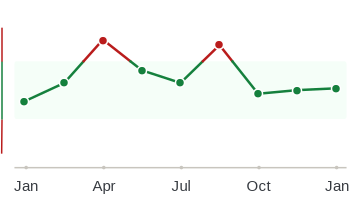
Every lab result you’ve ever had, charted and explained.
Healthmatters is a tracker for your lab results. Upload a report from any lab, any country — every marker charted and explained.
Start with my report →
Frequently Asked Questions
What does GRAN mean in a blood test?
What does GRAN# high mean in a blood test?
What does GRAN# low mean in a blood test?
What is the difference between GRAN# and GRAN%?
What is gran# (ANC) on a blood test?
What causes granulocytes to be high?
Gran testi nedir? (Turkish: What is the gran blood test?)
Gran tinggi artinya apa? (Indonesian: What does high gran mean?)
Gran trong xét nghiệm máu là gì? (Vietnamese: What is gran in a blood test?)
سبب ارتفاع تحليل Gran؟ (Arabic: What causes high gran in a blood test?)
Can GRAN# be temporarily high without a serious cause?
Why is my GRAN# high but my neutrophils are normal?
All our content is backed by peer-reviewed studies, academic research, and trusted medical sources. We’re committed to accuracy and transparency — see our editorial policy for details.
-
Berliner N. Granulocytopenia.
-
Cyclic and chronic neutropenia
-
The European Guidelines on Diagnosis and Management of Neutropenia in Adults and Children: A Consensus Between the European Hematology Association and the EuNet-INNOCHRON COST Action